LUMEN — Graduation project
Research on flexible visual identities, carried out as part of my degree thesis.
Thesis summary
Tied to my research thesis, I explored one central question: how do you create a visual identity that isn't fixed, yet remains consistent?
Templates (Canva, WordPress, Notion) have homogenized design. This standardization raises a problem: how do you stand out when everyone uses the same tools?
My research explores the opposite: systems that generate diversity while maintaining visual consistency.
First exploration — What didn't work
I first explored a purely generative approach with p5.js: abstract shapes, random textures, automatic compositions.
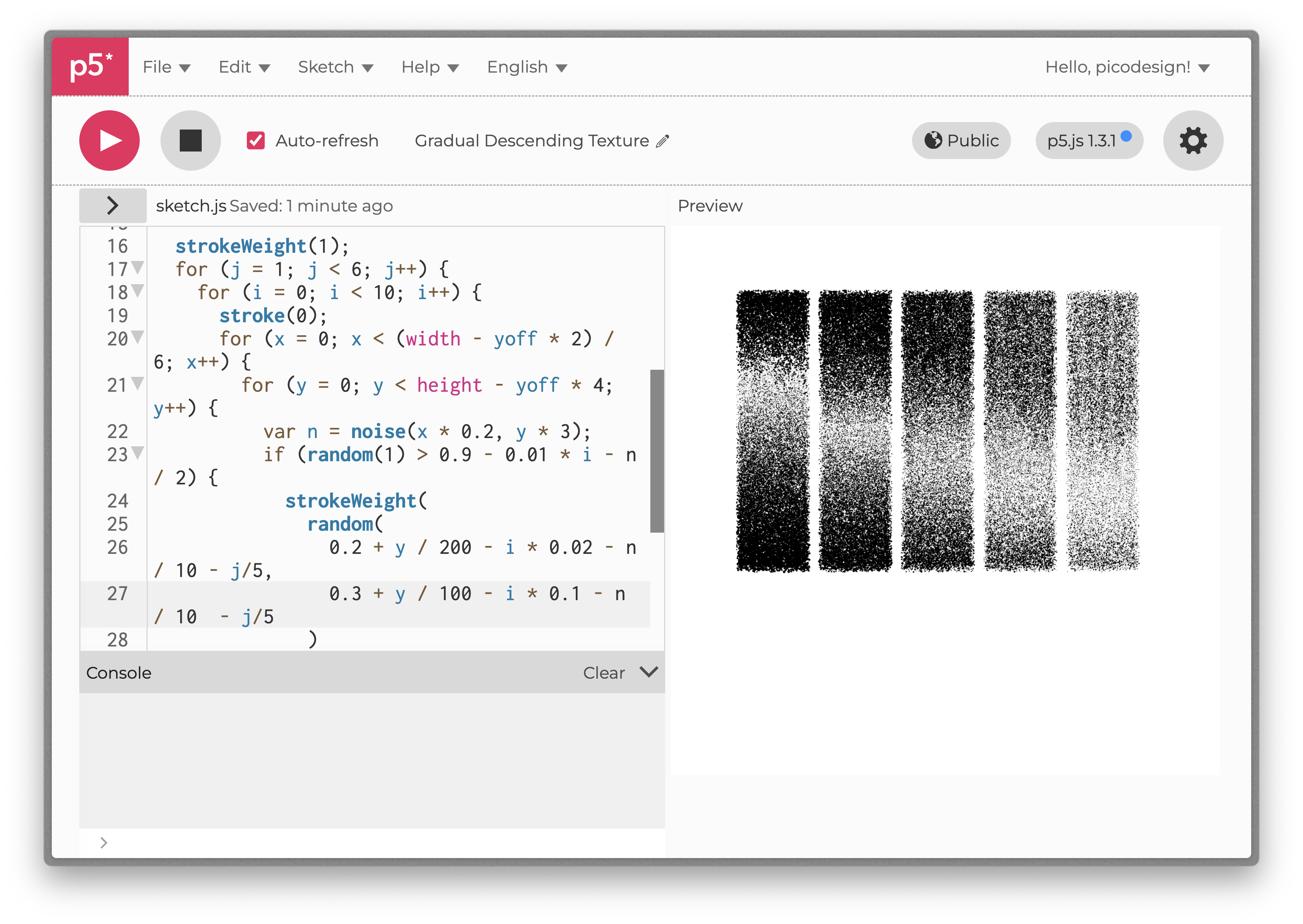
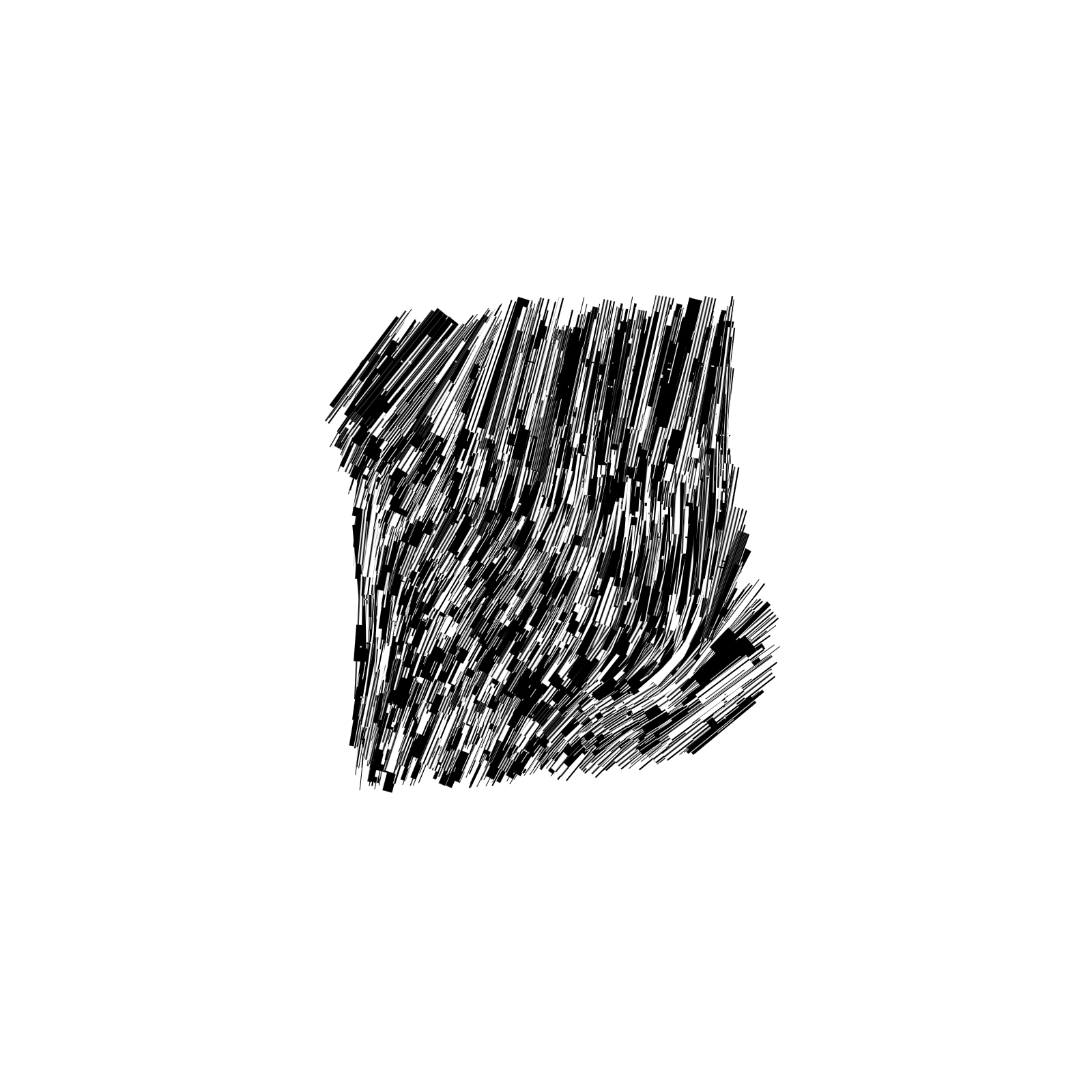
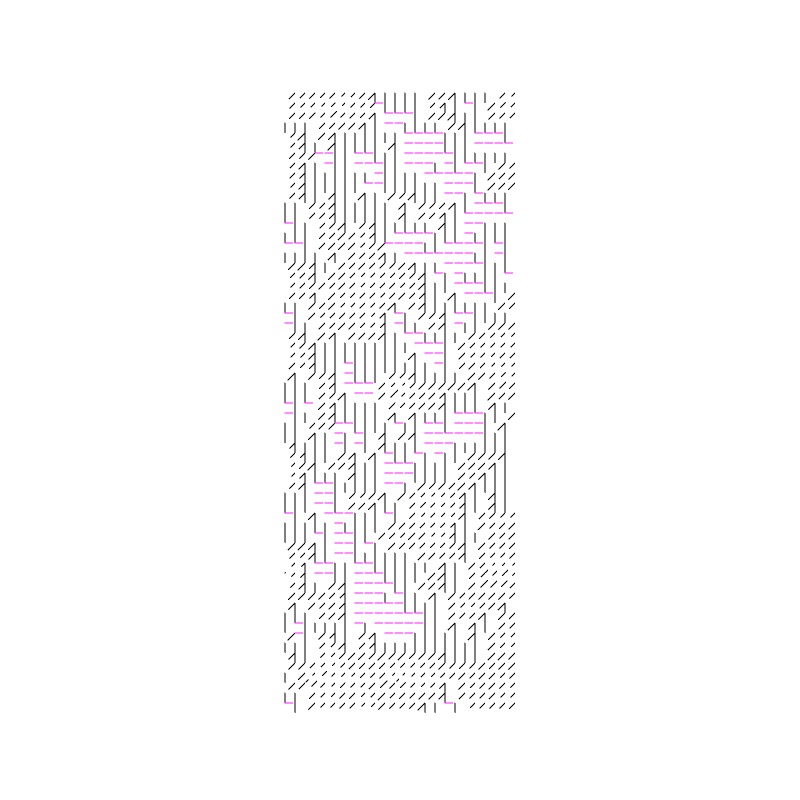
The result was visually interesting but unusable for a real identity. Too abstract, not grounded enough. This exploration made me realize the problem wasn't technical — it was methodological.
I reframed my question: rather than "how do I generate shapes?", I asked "how do I create a system that adapts while staying recognizable?". Three verbs emerged to structure my research.
Three theoretical axes
ADAPT
How does an identity live on a stamp AND on a facade?
The same logo has to work on a phone screen and on a 4-meter sign.
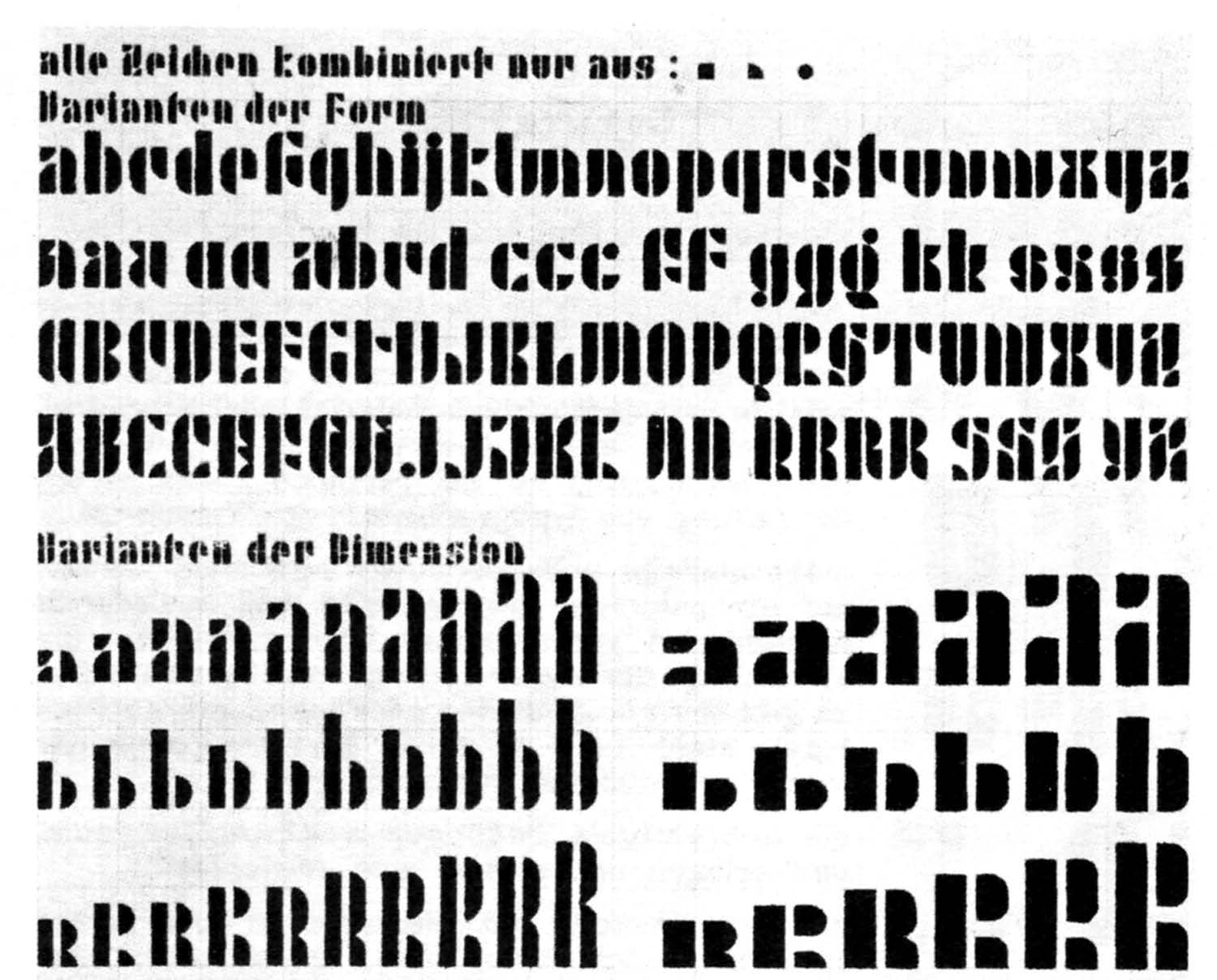
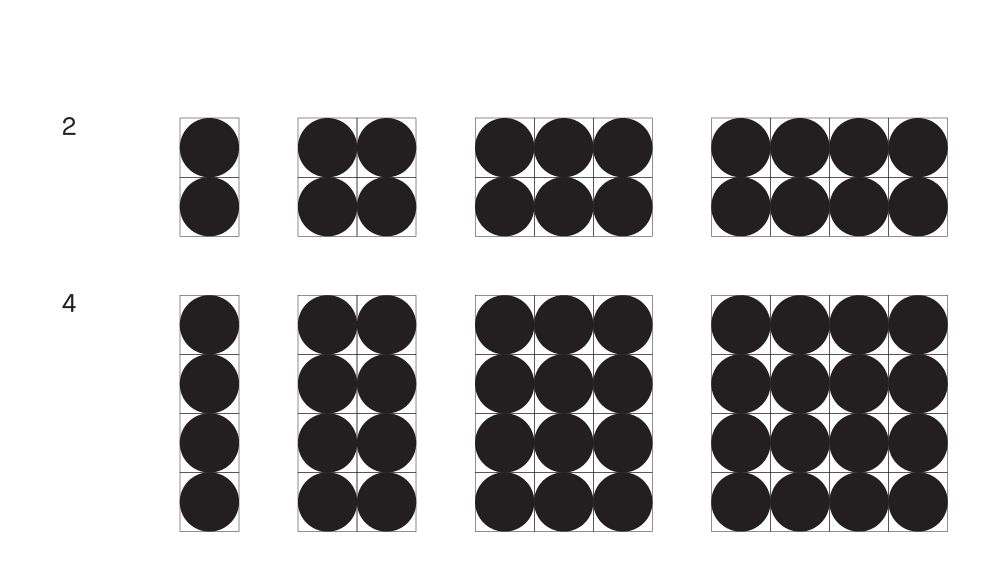
With Kombinationsschrift 3, Josef Albers showed that 3 simple shapes can build 27 characters. Economy of means in service of a wealth of possibilities.
MODULATE
How do you create the infinite from a few shapes?
Create a modular system that generates infinite variations from simple elements.
Karl Gerstner introduced the concept of the "Programme": instead of designing fixed solutions, he designed systems that generate solutions. "Instead of solutions for tasks, programmes for solutions."
The MIT Media Lab applies this principle: their identity is an algorithm that generates a unique logo for each member. The identity adapts to context without losing recognition.
EXTRACT
How do you find the system hidden in an image?
Start from an existing element and extrapolate a whole coherent system.
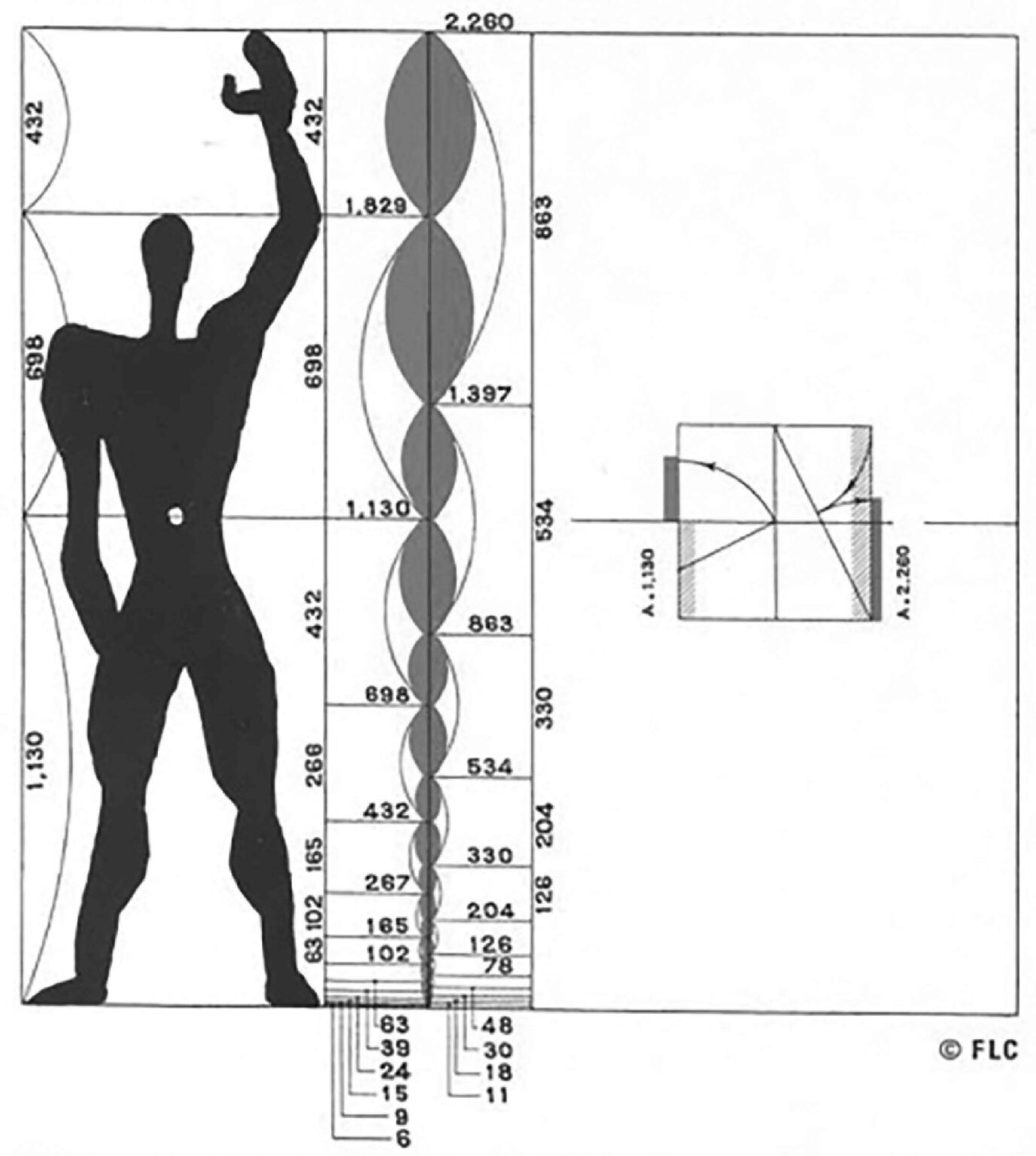
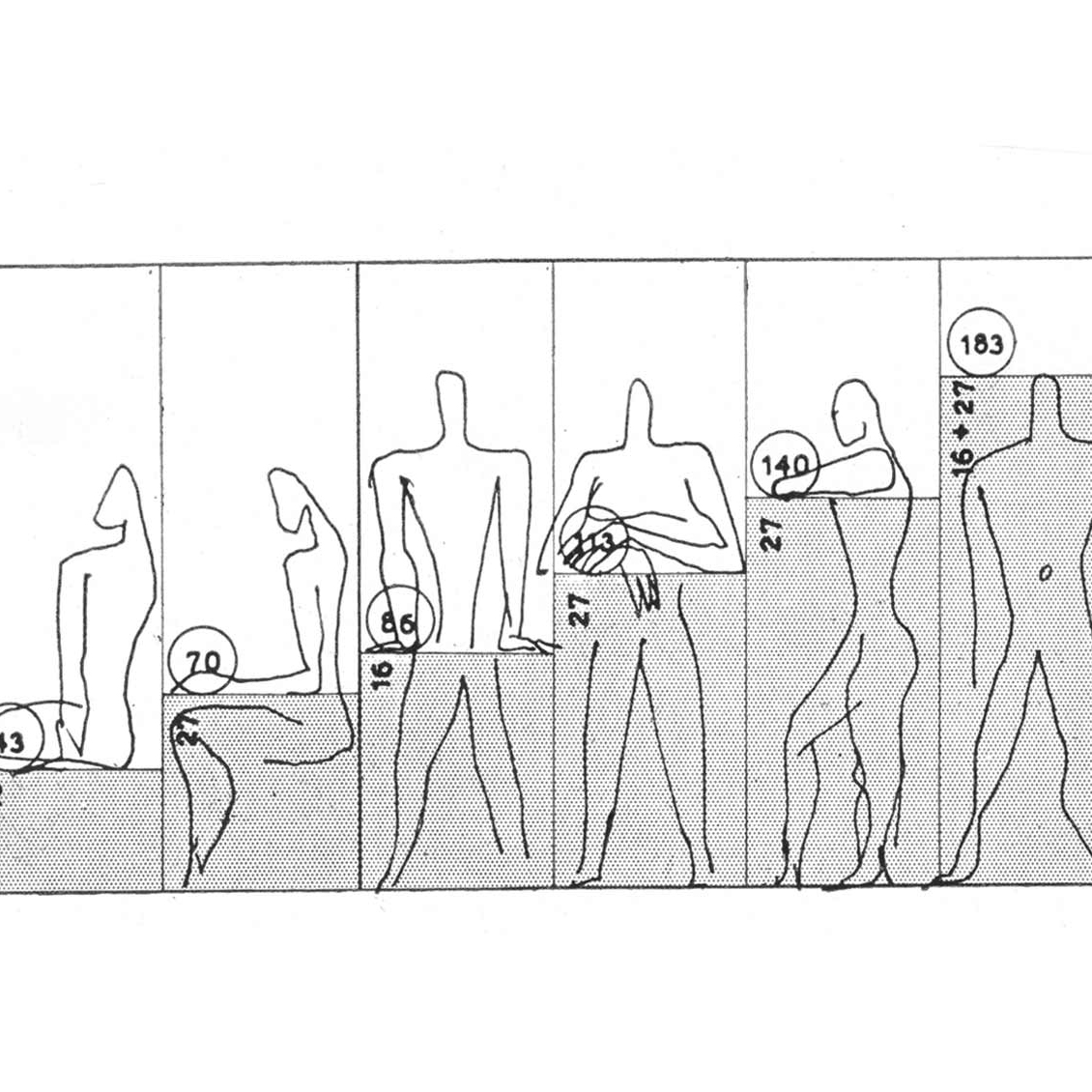
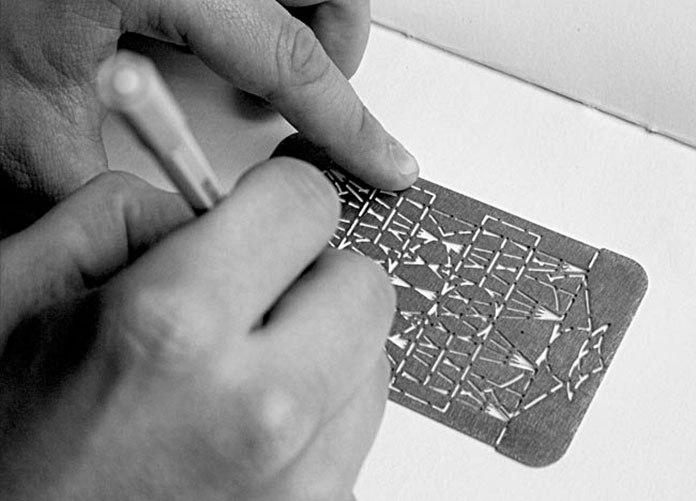
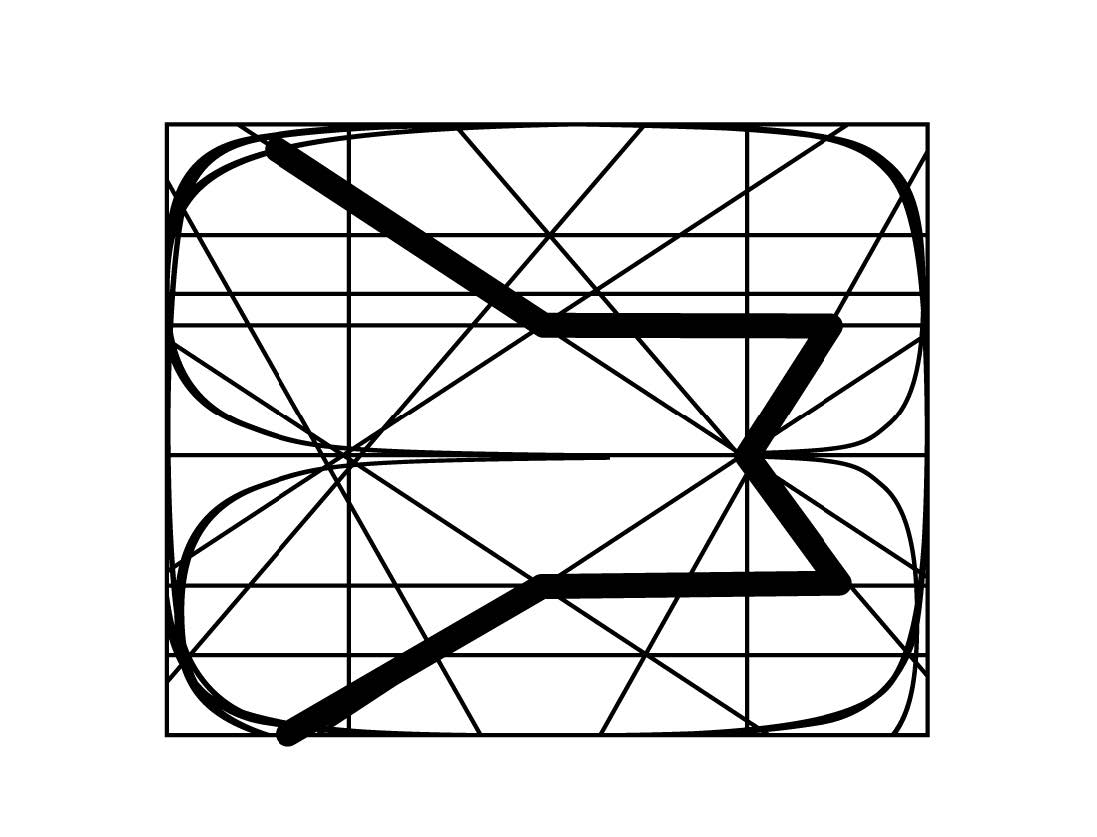
Le Corbusier extracted the Modulor from the proportions of the human body. The stencil shows how to extract a graphic system from an existing shape.
LUMEN project — Context
To test my methodology, I created LUMEN: a fictional photography exhibition at the Jeu de Paume, Paris.
Audience
The Jeu de Paume is a museum devoted to photography and images. Its audience loves art and photography.
Needs
A flexible visual identity able to adapt to different photographers, formats and media — while staying consistent.
My research — ADAPT axis
I chose to develop the ADAPT axis for the LUMEN project.
The graphic component
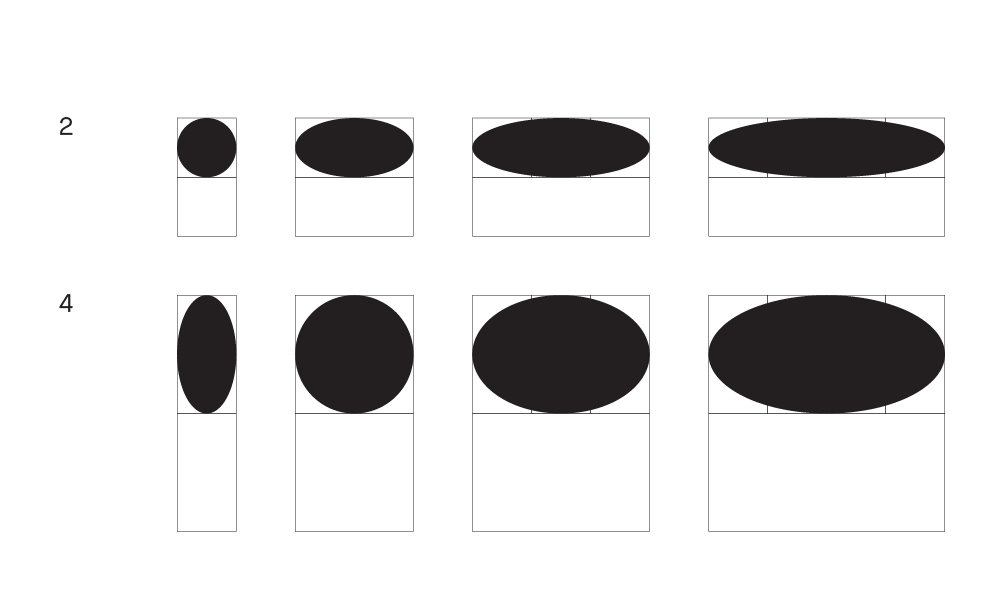
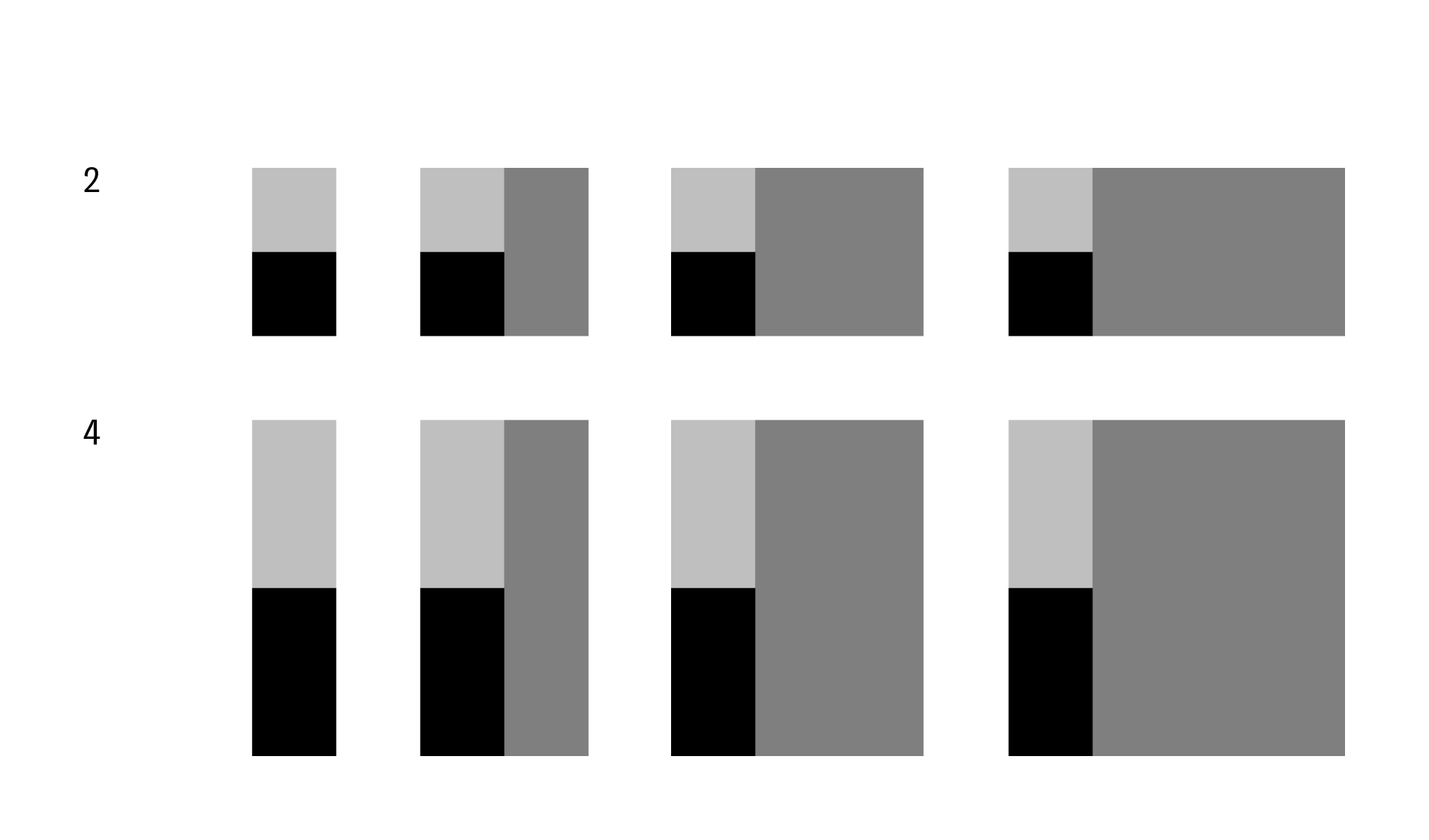
The foundation of my method: define a simple graphic component that can be repeated, extended and adapted to different contexts.
Flexibility — Repetition and extension
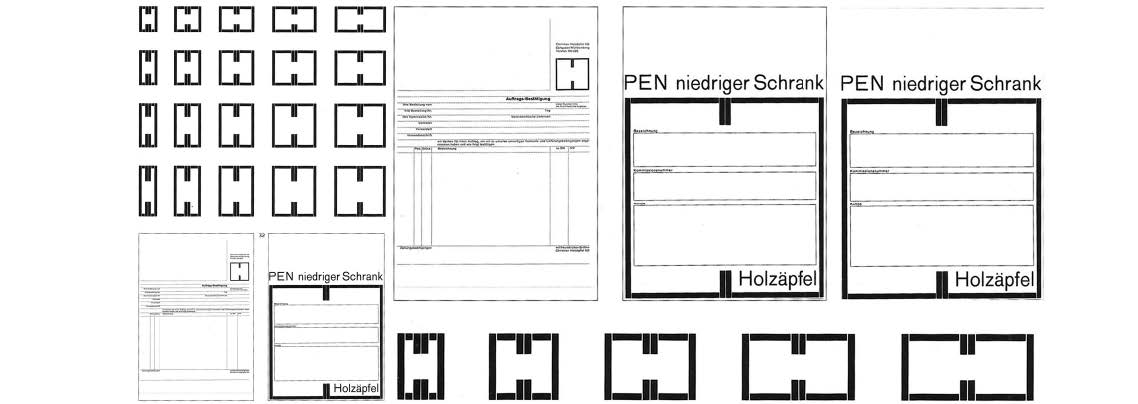
This thinking comes straight from Karl Gerstner's "Programme". His identity for Holzäpfel shows how a single component can generate infinite variations through repetition and extension.
Applying it to LUMEN
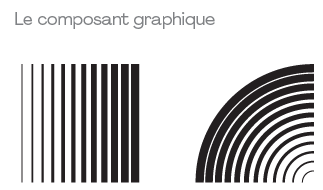
I apply this "Programme" method to LUMEN with a graphic component that generates the visual identity.
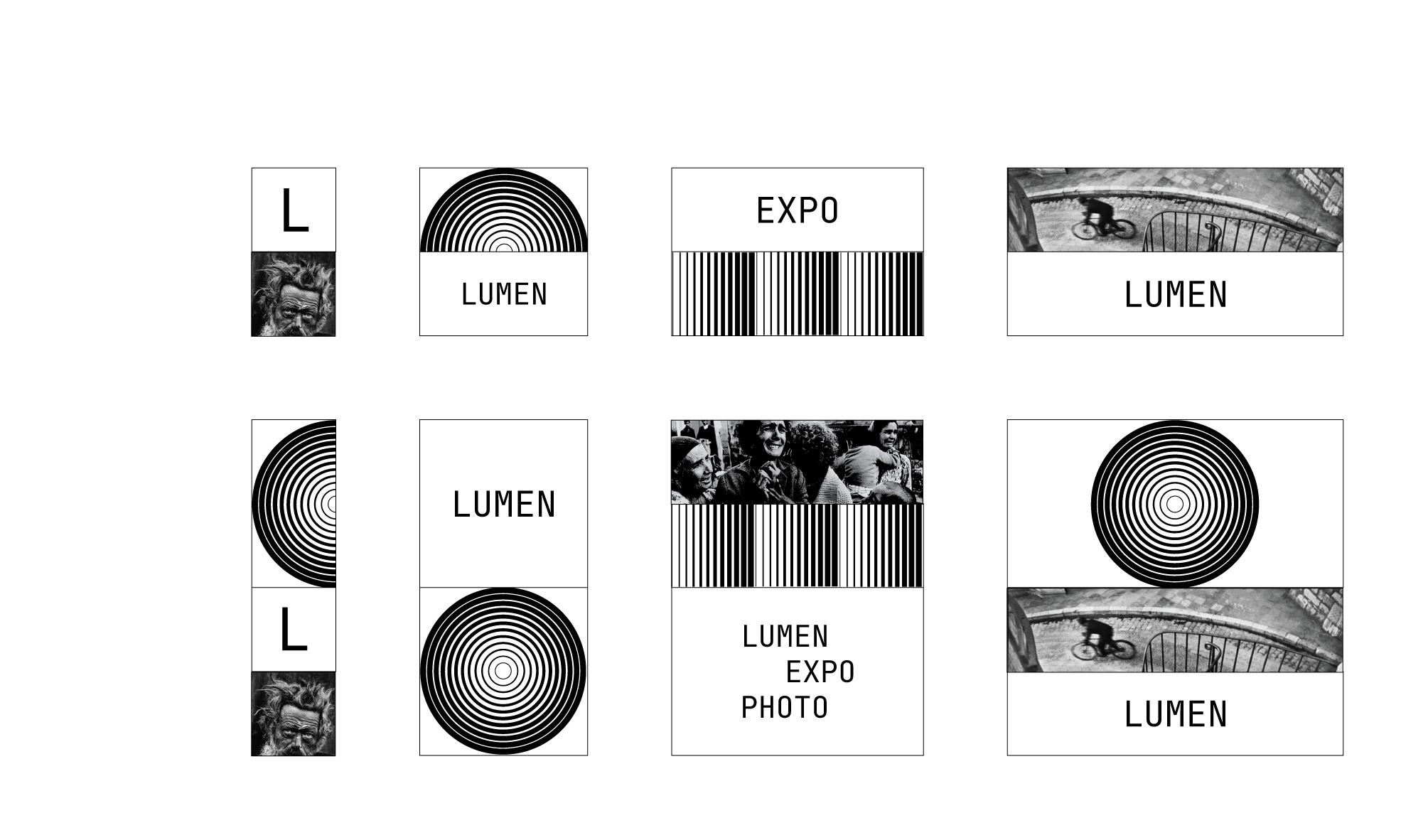
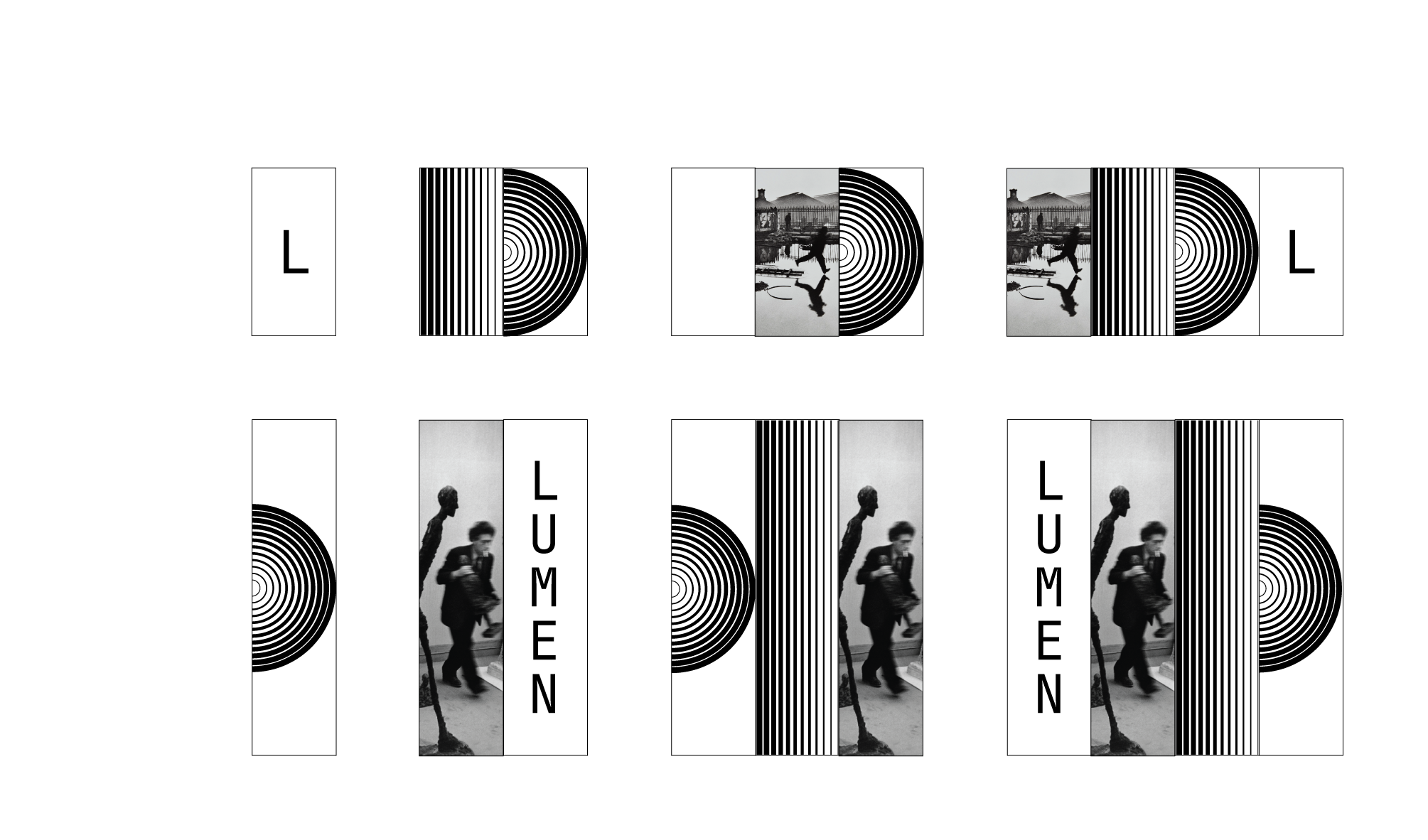
My research — MODULATE axis
A quarter circle, four possible rotations, a grid. A single shape generates infinite compositions.
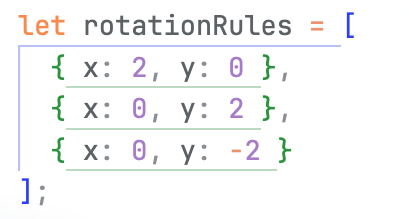
I apply rules to a base shape to obtain new results

My research — EXTRACT axis
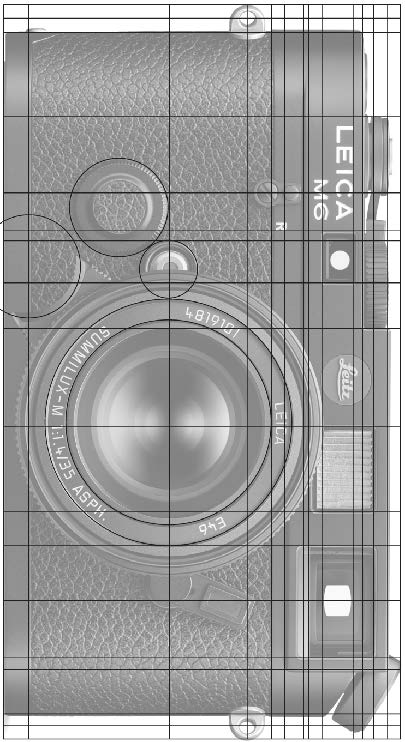
Turning a photograph into a graphic pattern through a system of lines.
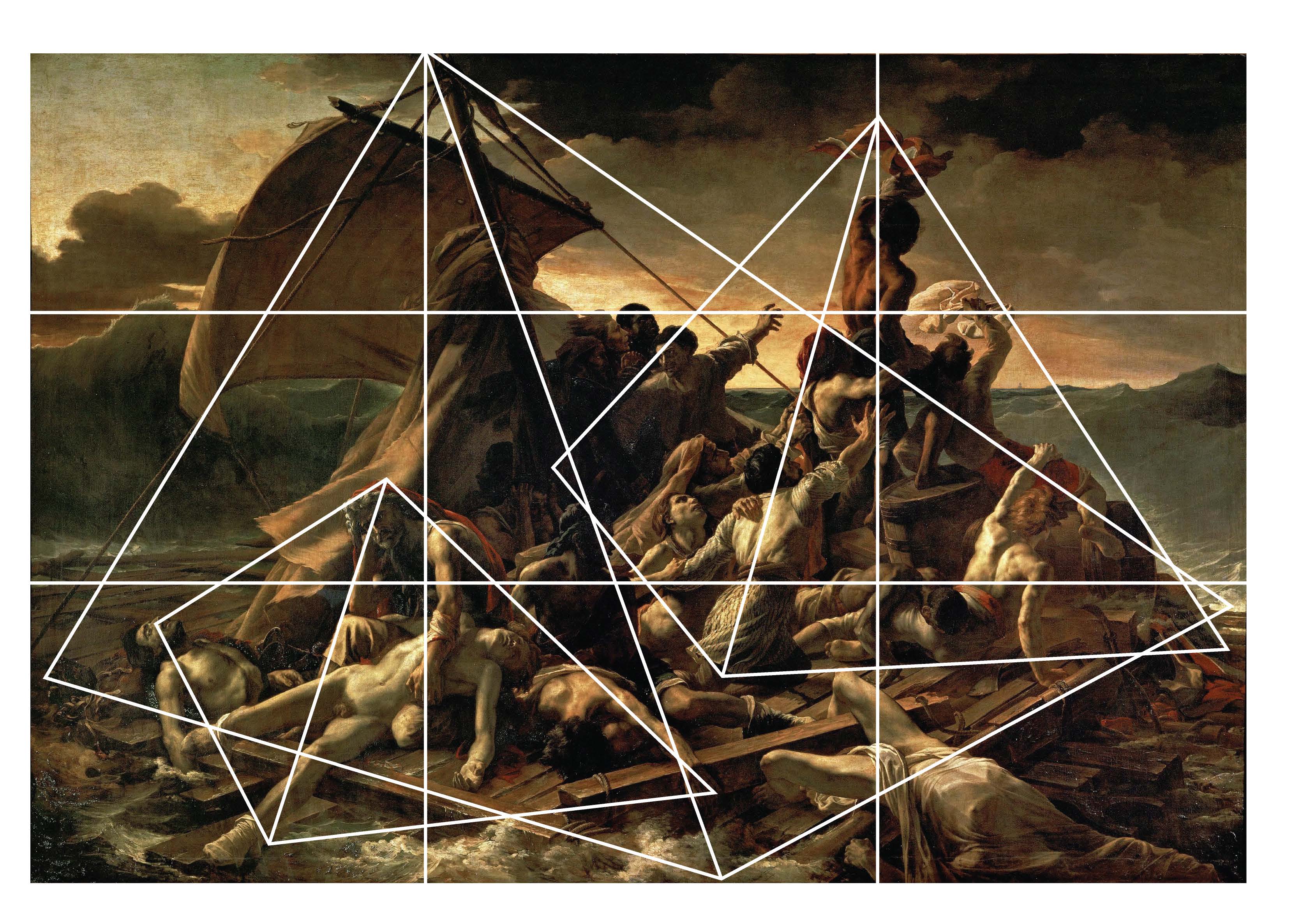
Processing experiments
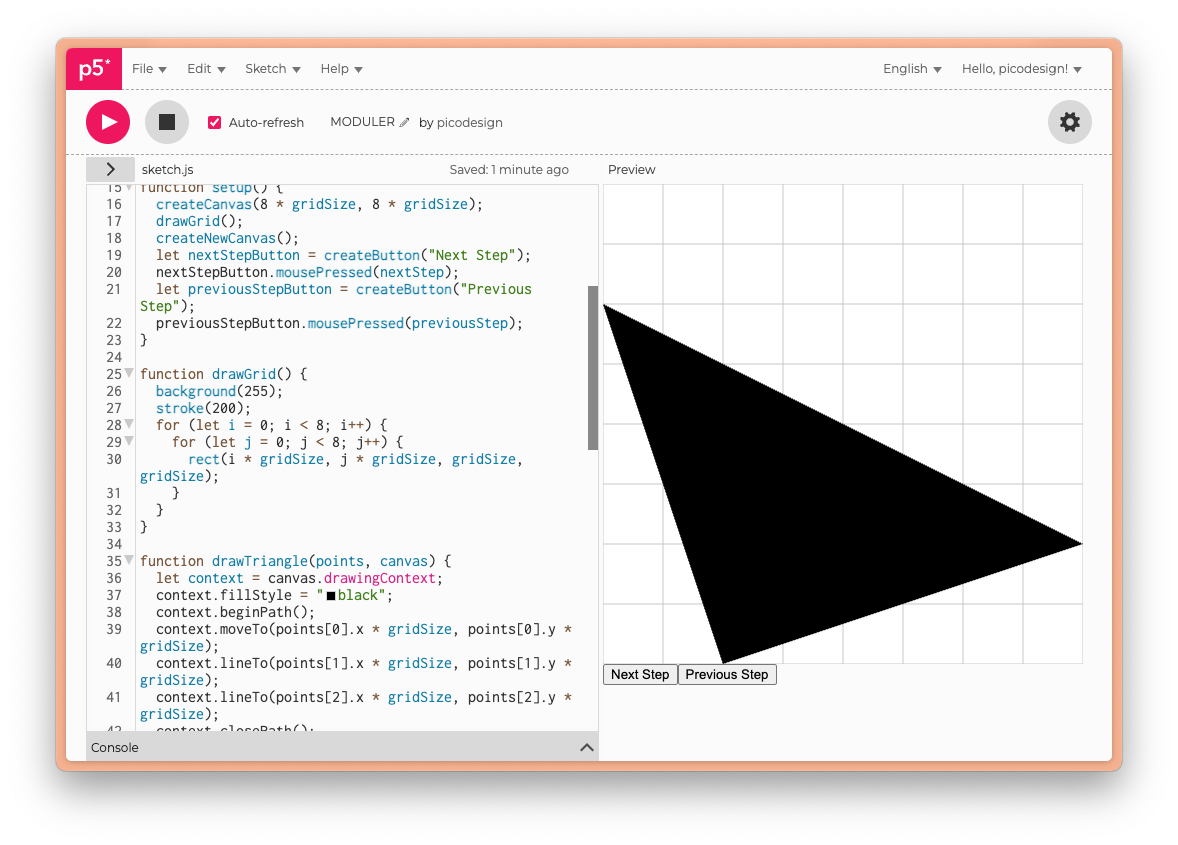
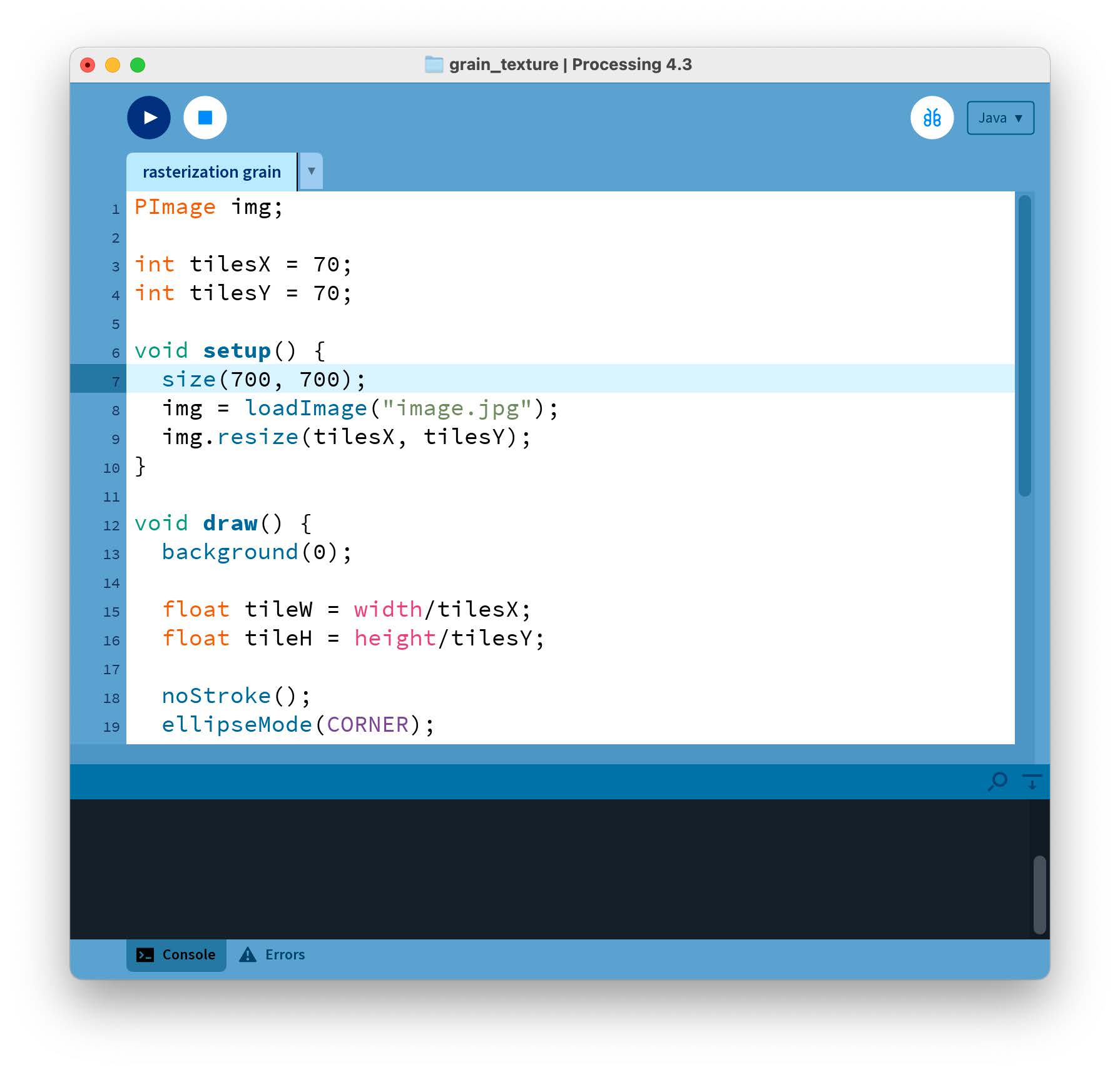
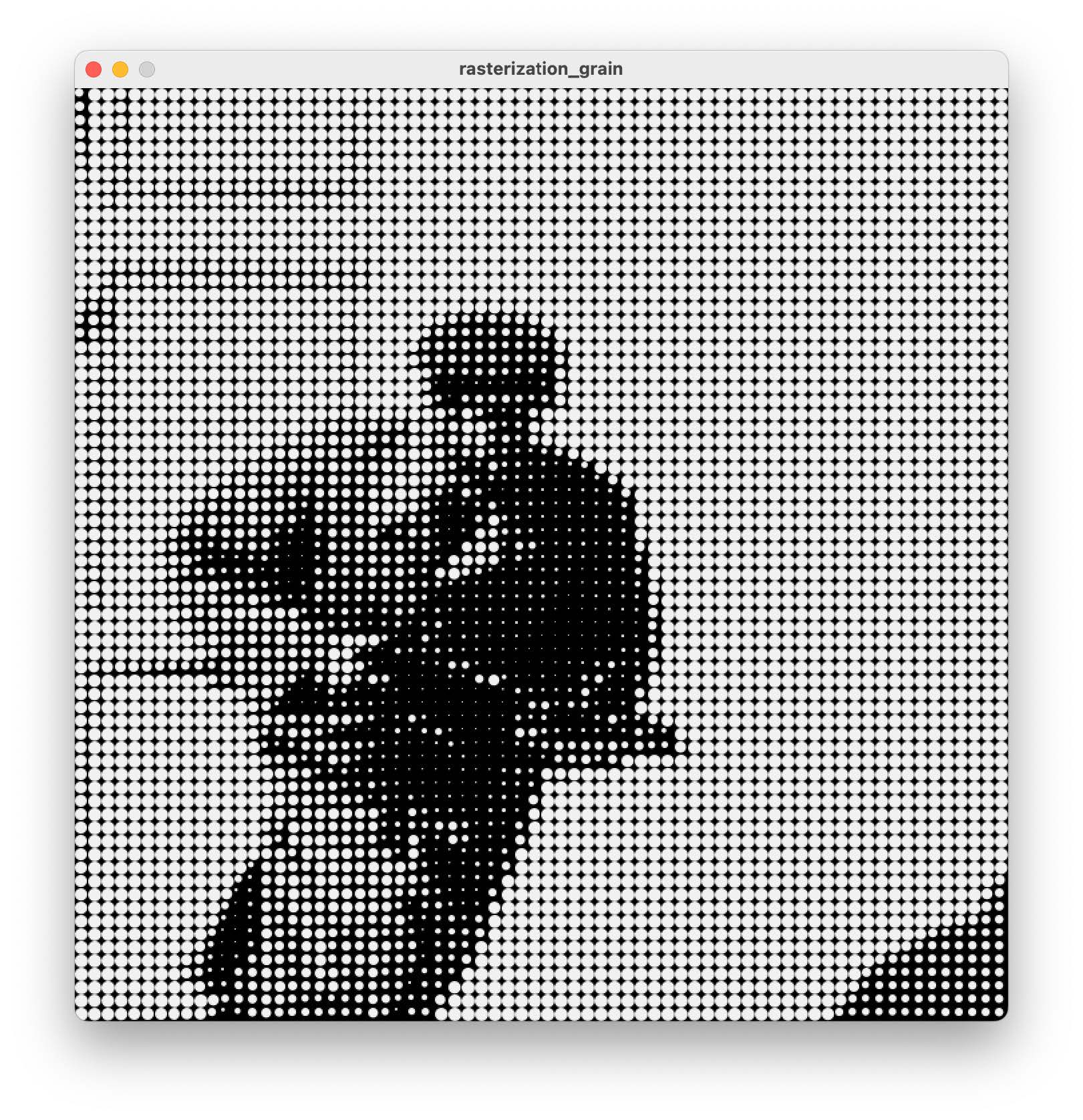
I developed some thirty Processing sketches to test these principles. Code becomes a thinking tool: I define rules, and the program generates the shapes.
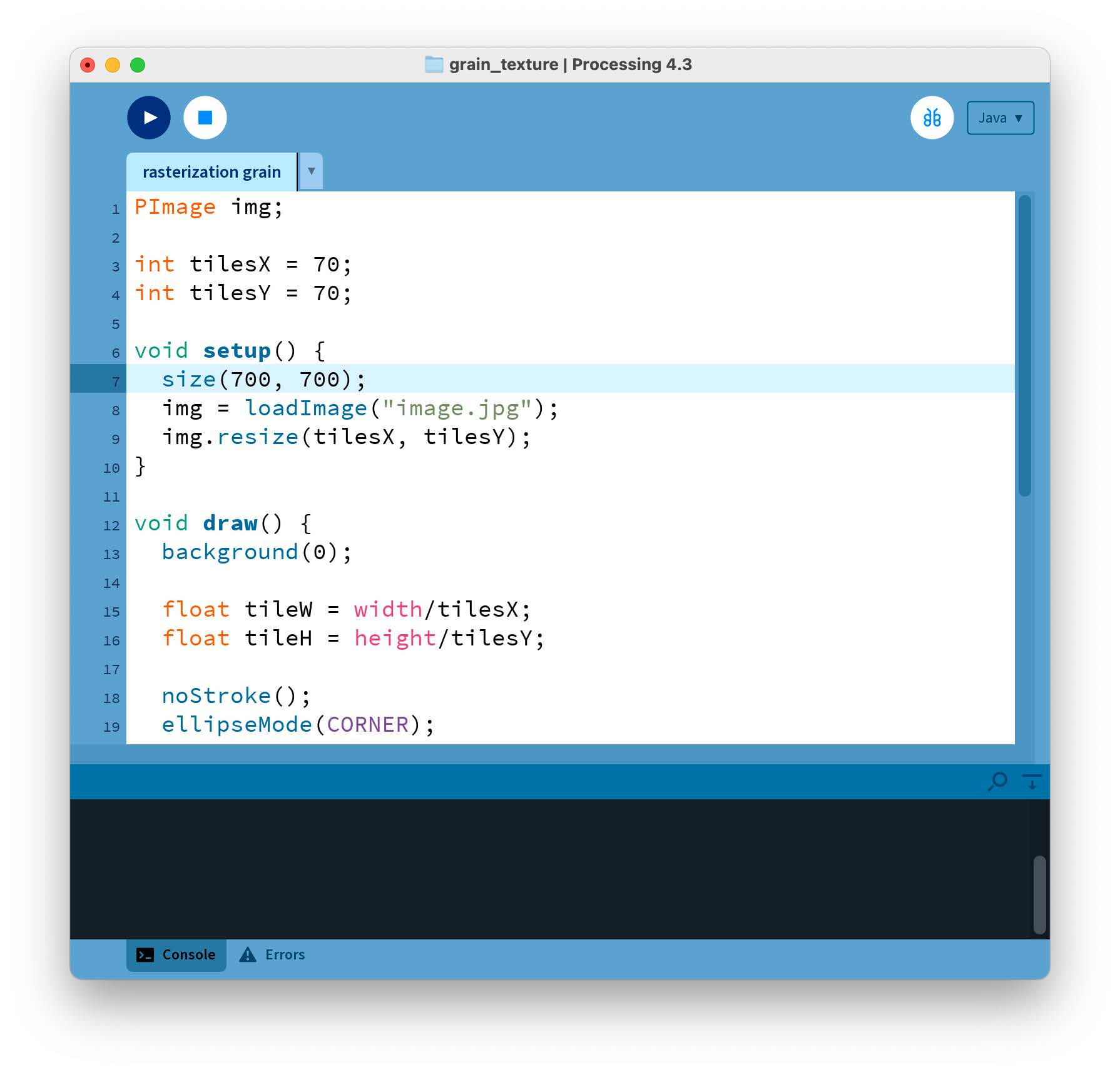
Here is a selection of the tools I built:
Modular grid
One click generates a new composition. The same shape, randomly rotated, creates infinite variations.
Waves
Each cell undulates according to trigonometric functions. Time becomes a variable of the system.
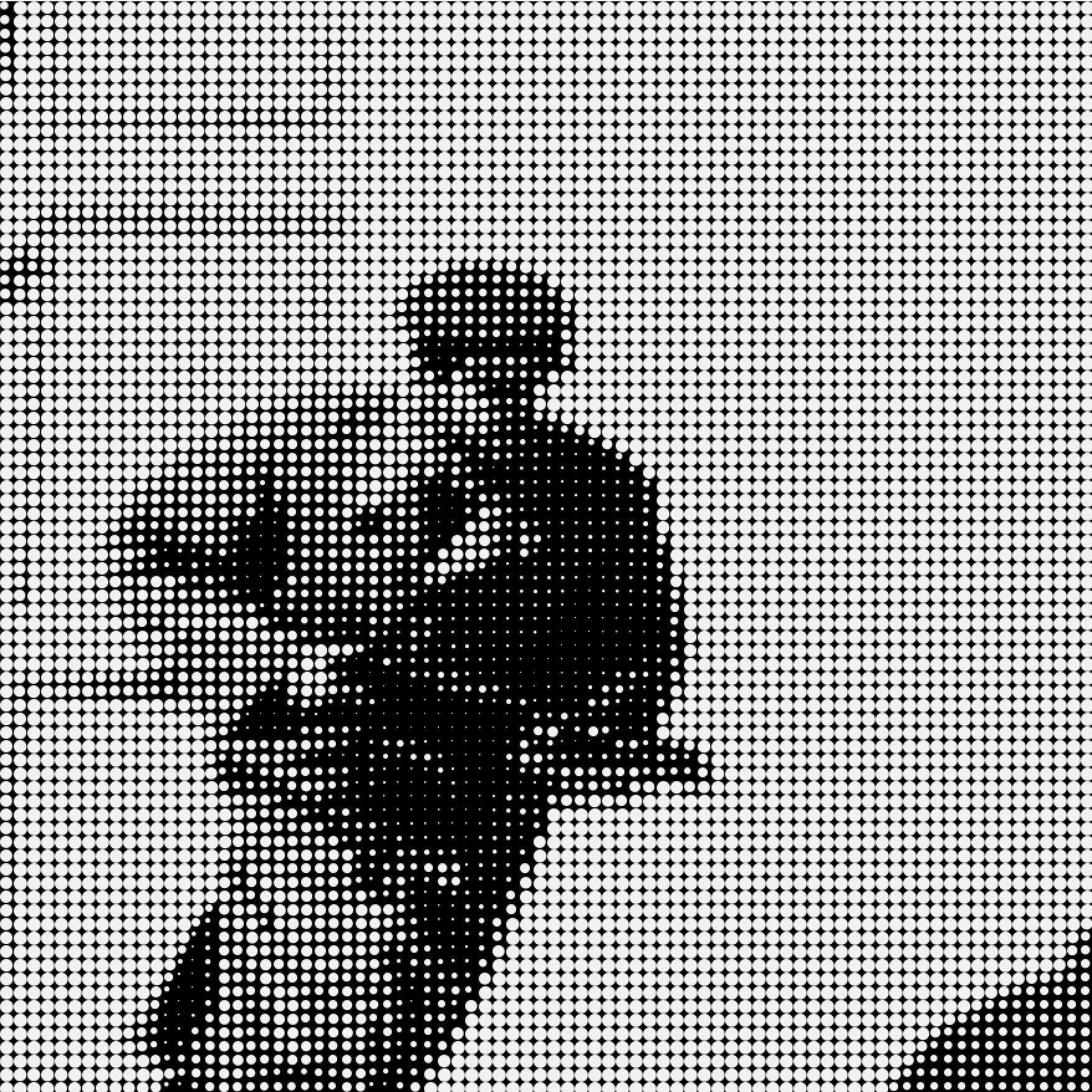
Rasterization
Different techniques turn a source image into a graphic pattern: grain, scan, circles.
From code to matter — FabLab
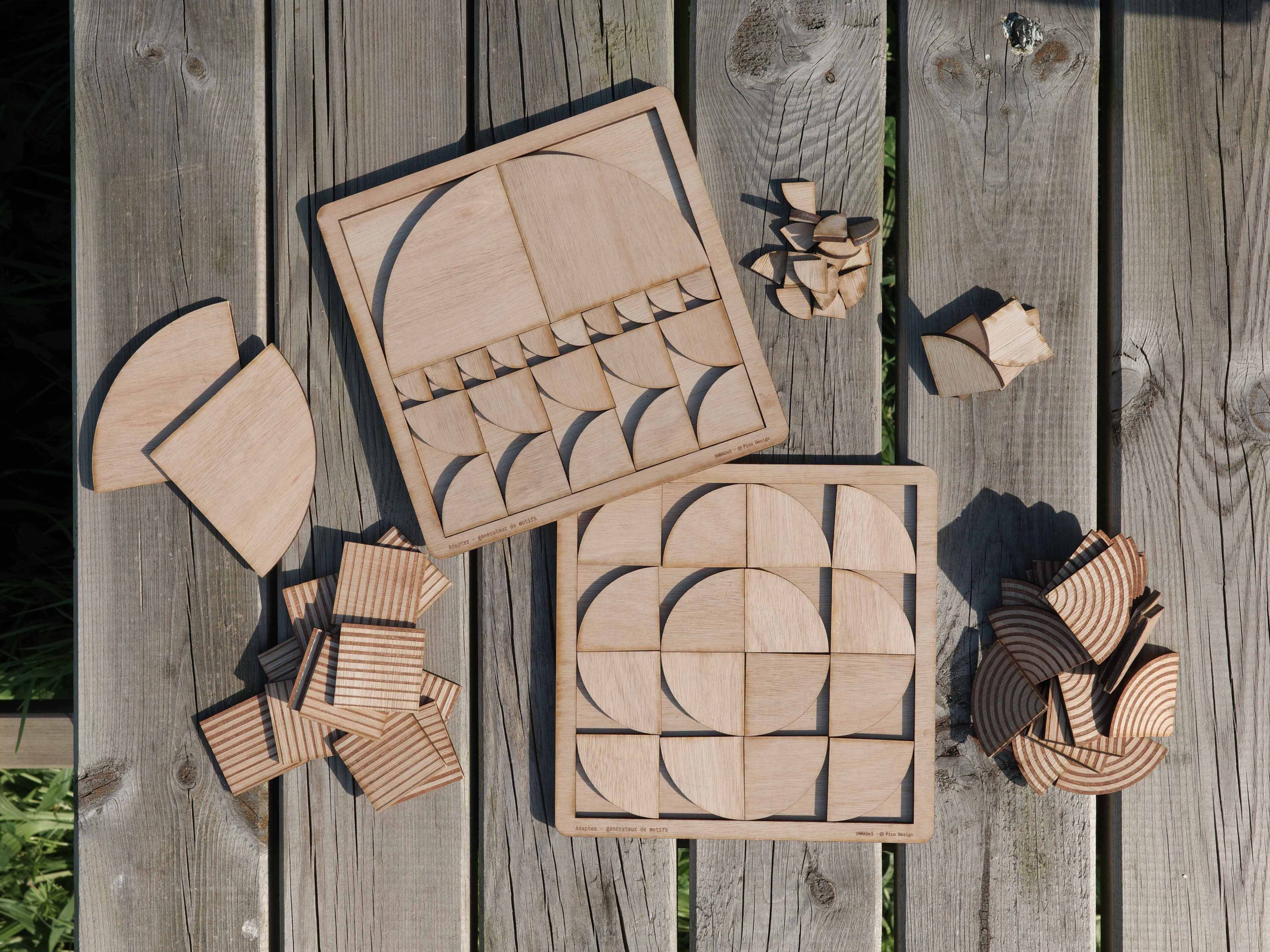
Does a flexible system only work on screen? I wanted to test it physically.
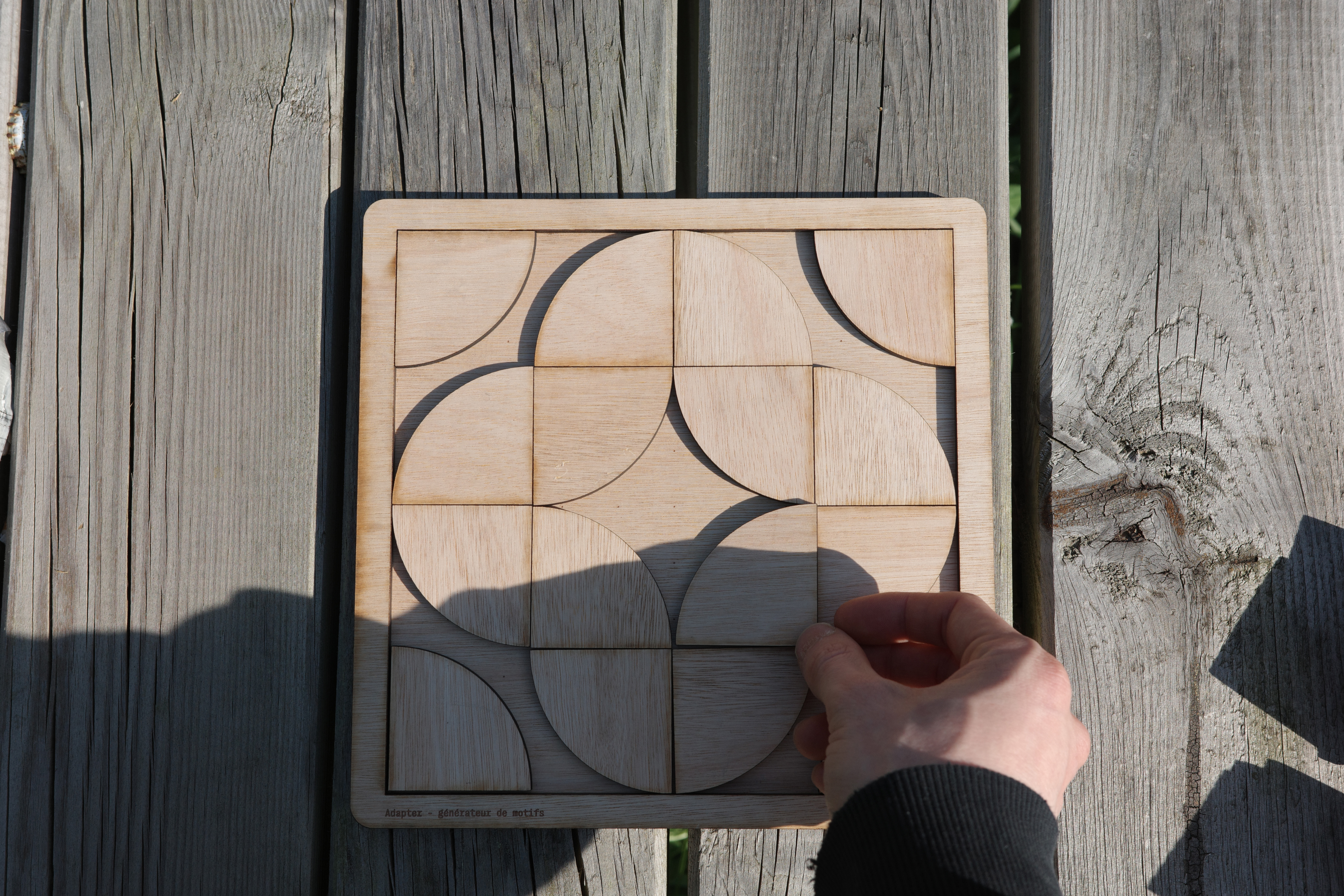
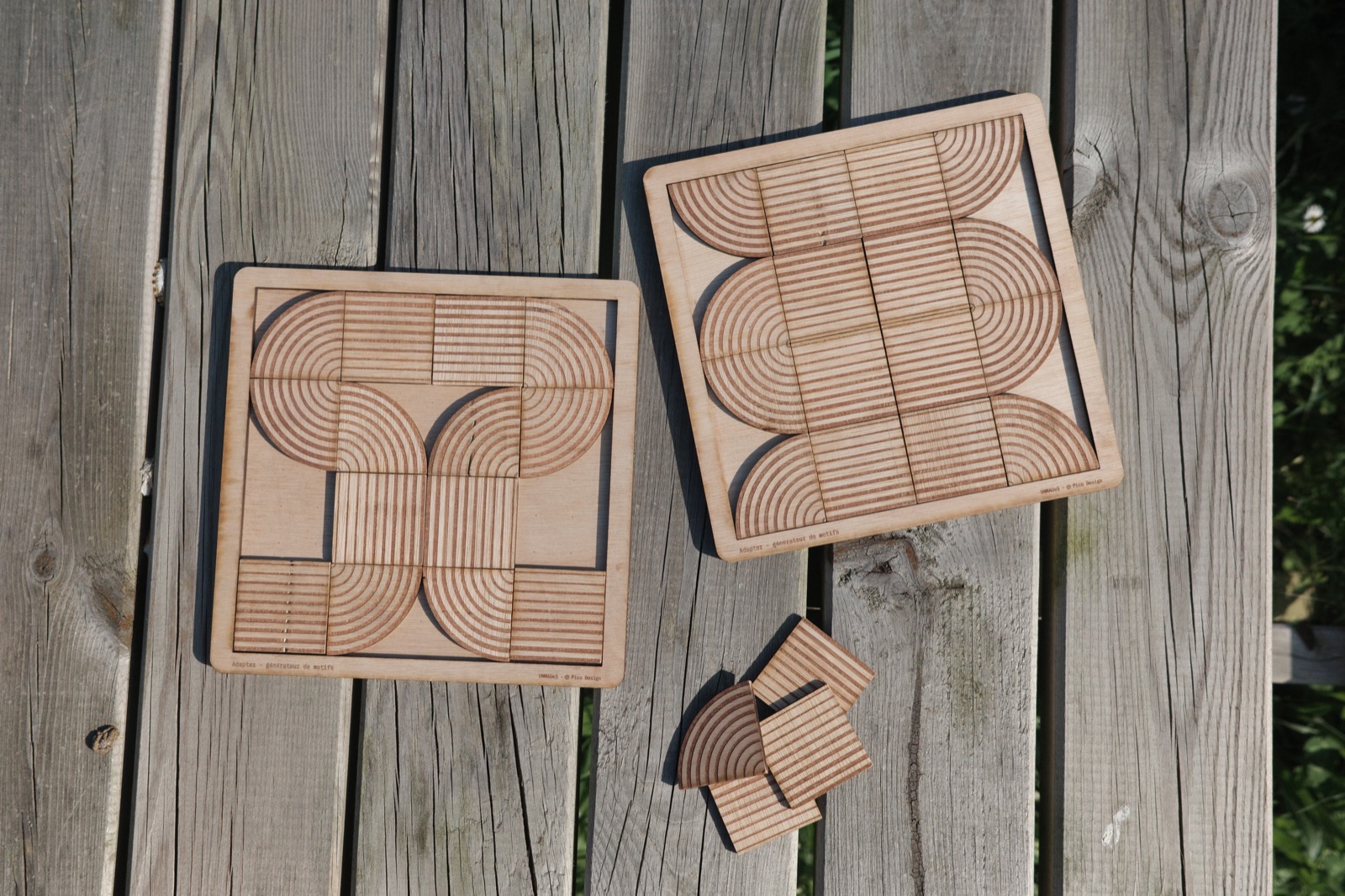
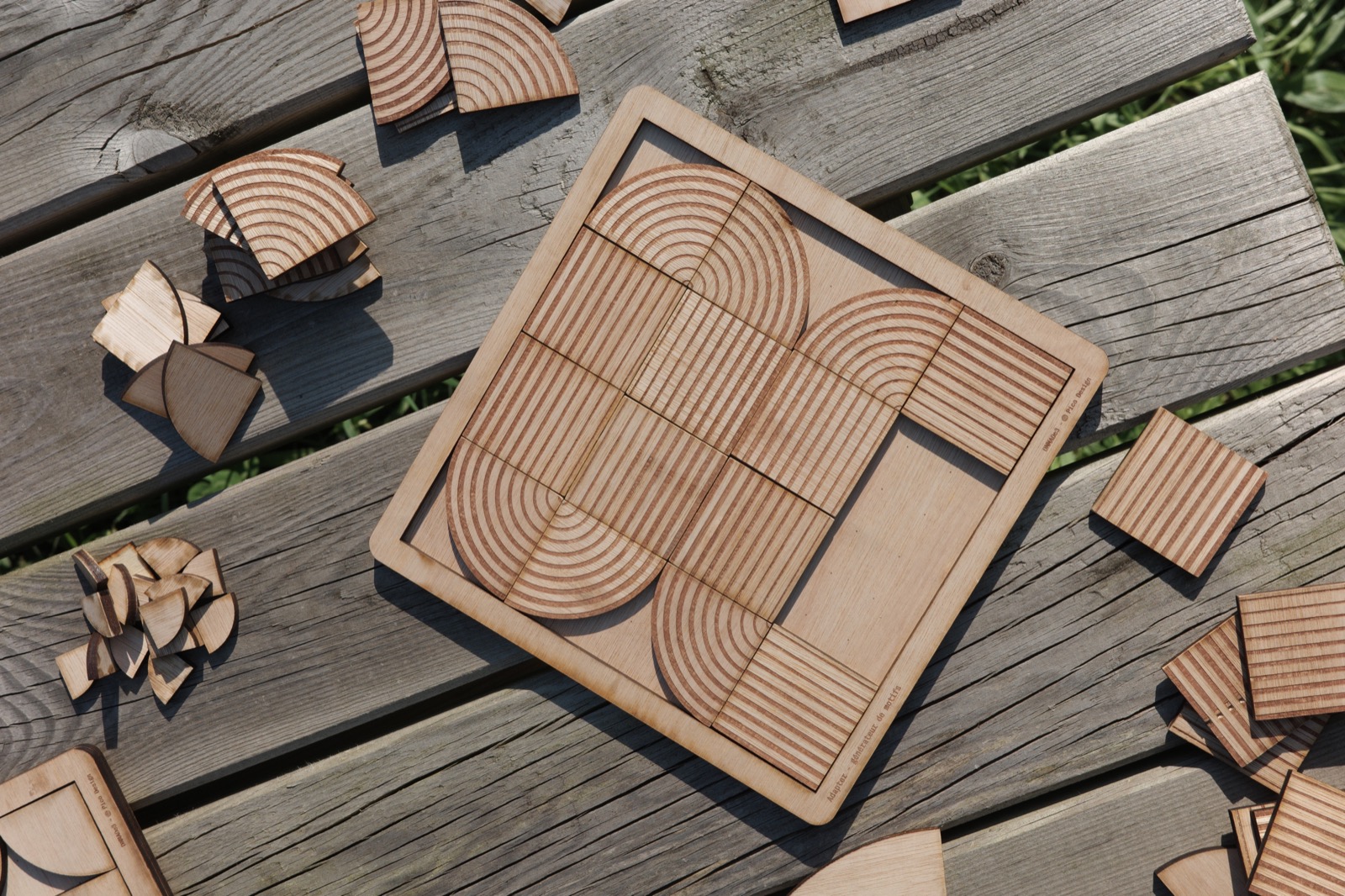
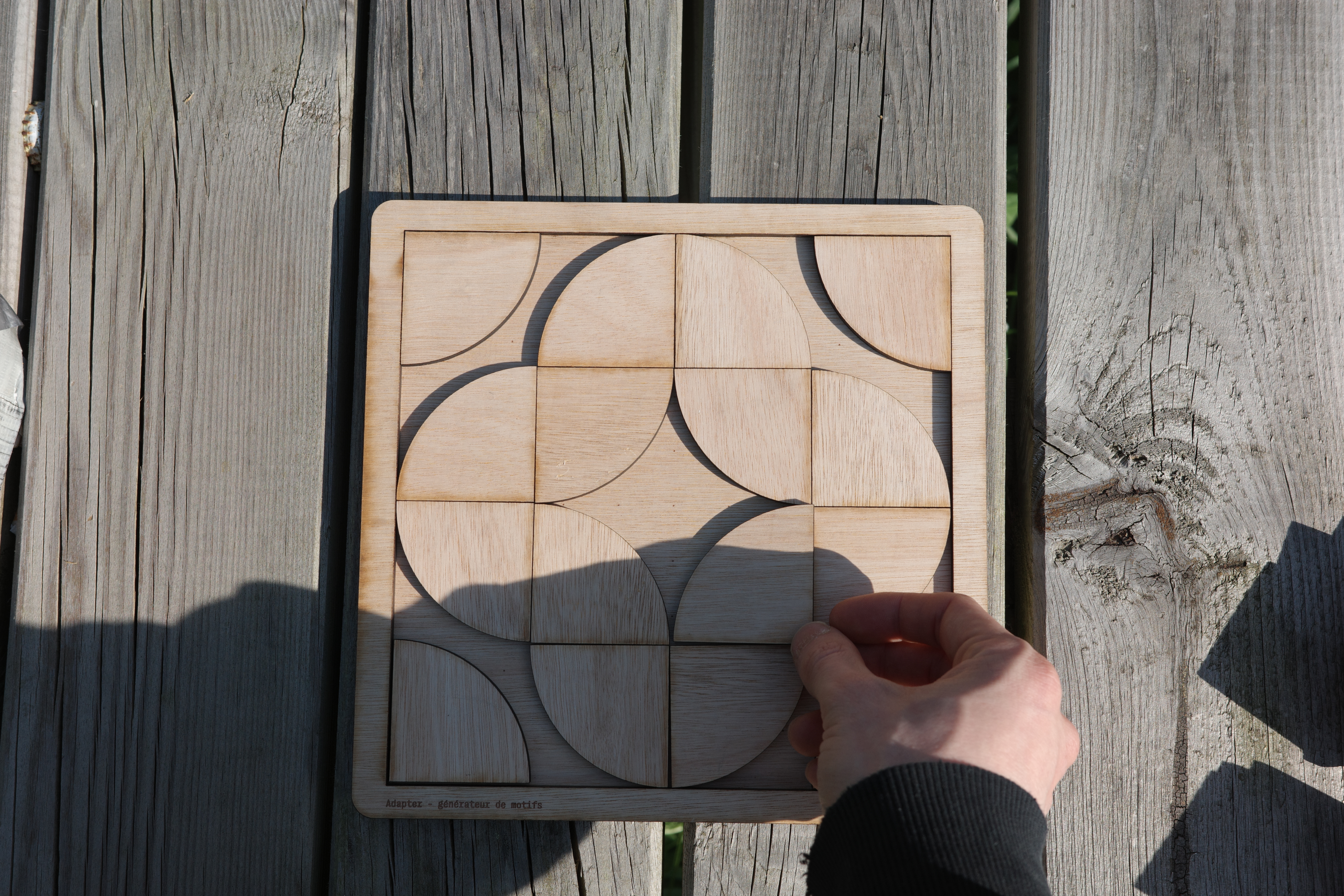
Wooden module
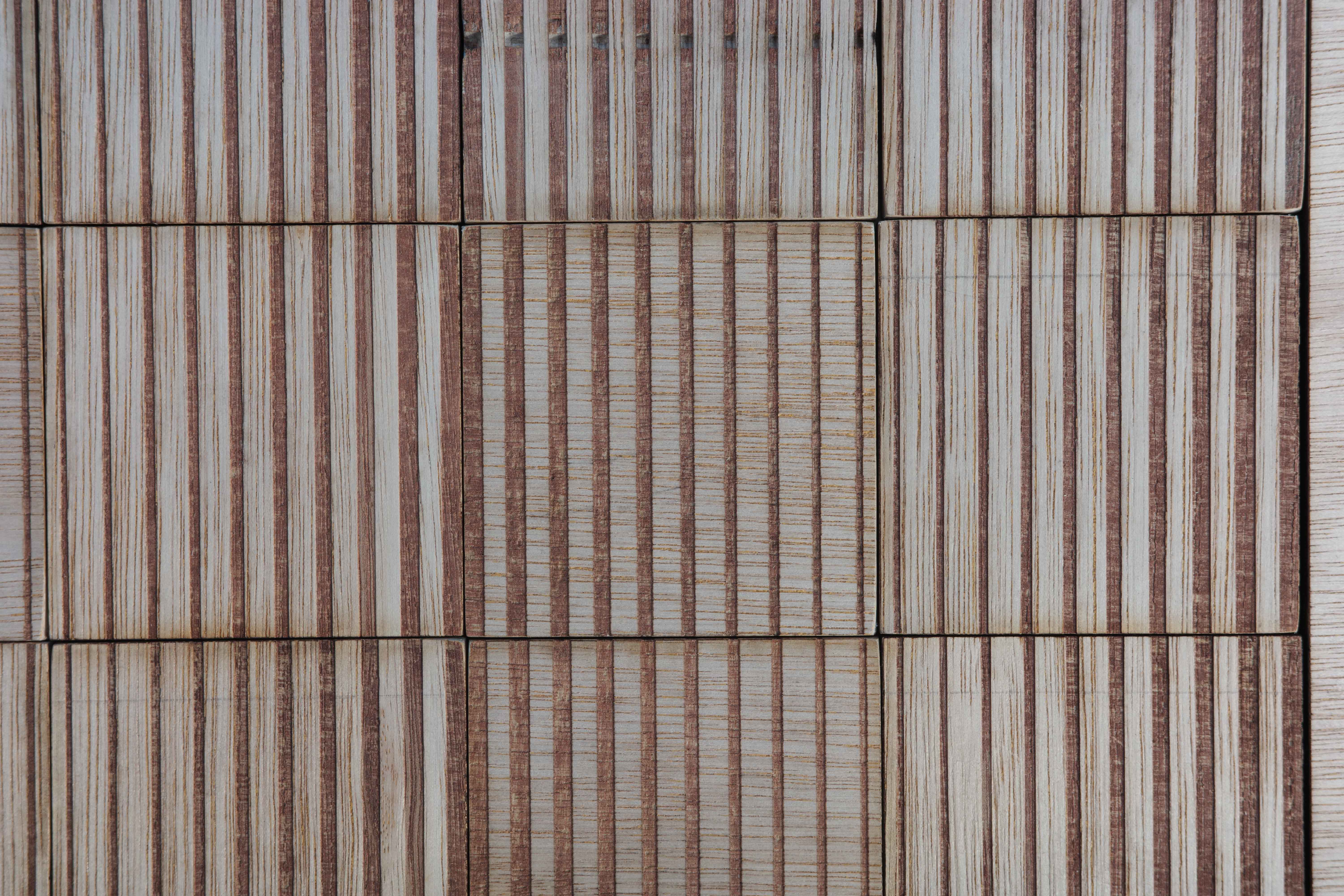
The physical version of my Processing sketch: wooden quarter circles you can assemble and rotate to create compositions.
Plotter
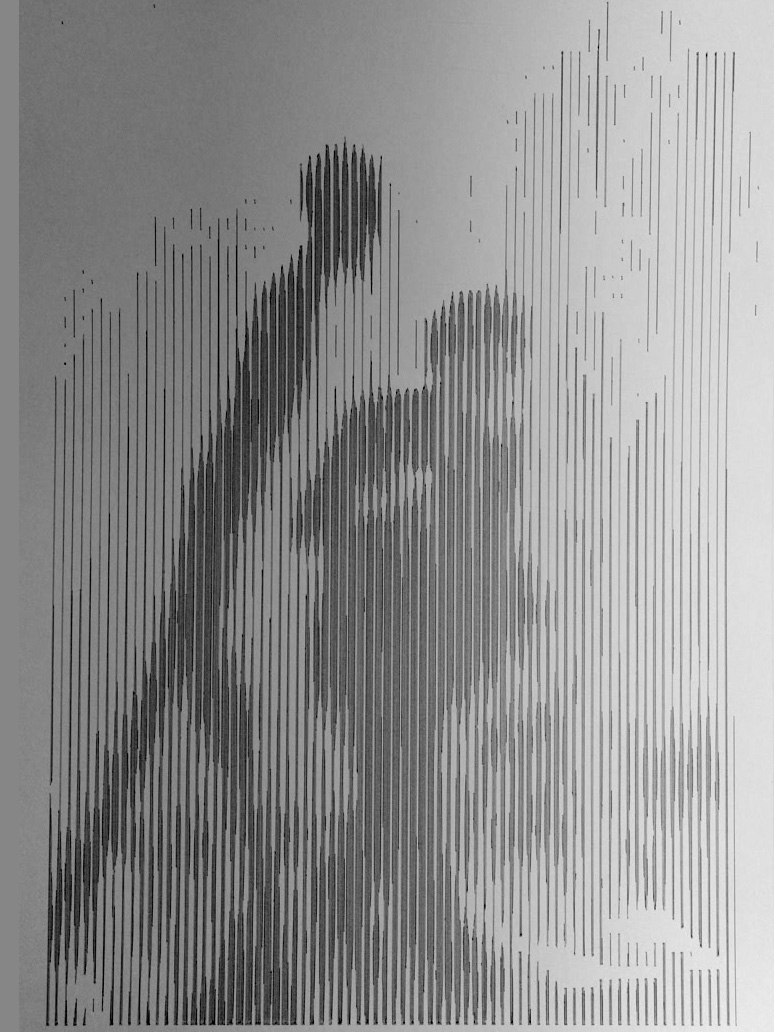
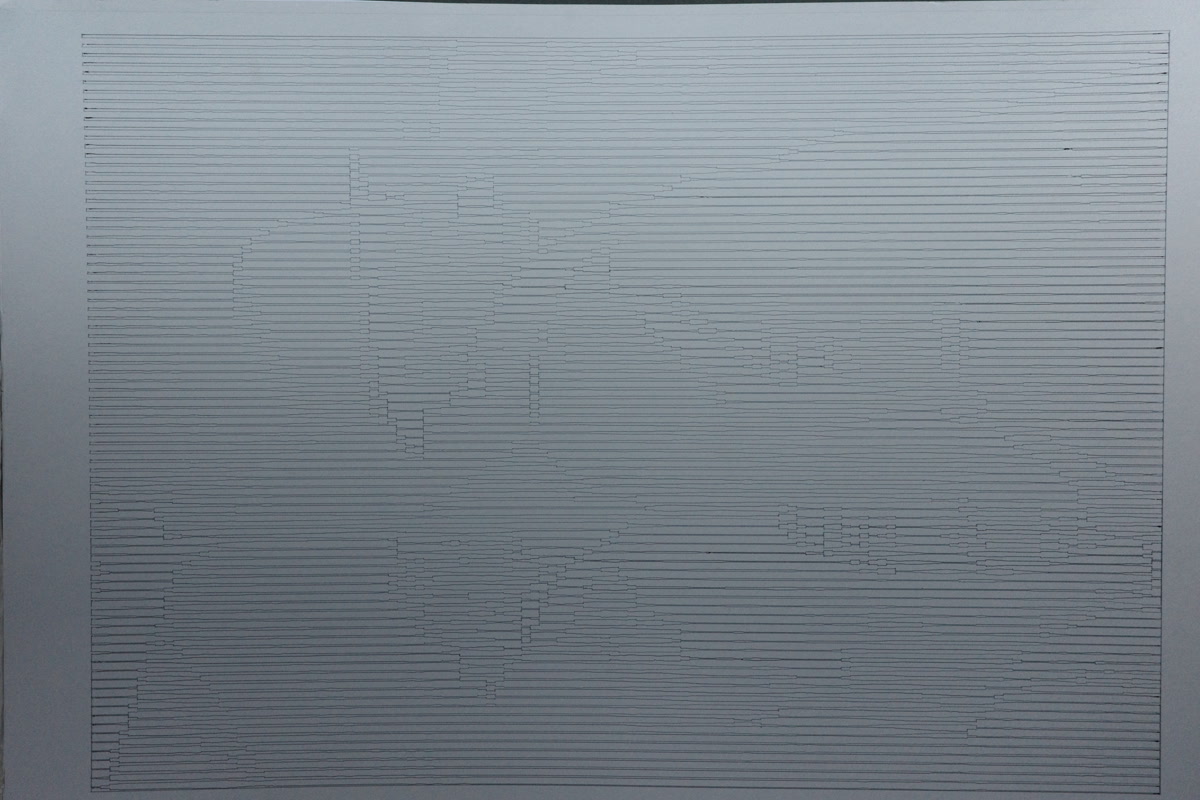
The plotter draws line by line. The result has a tactile quality that printing doesn't have.
Application — LUMEN
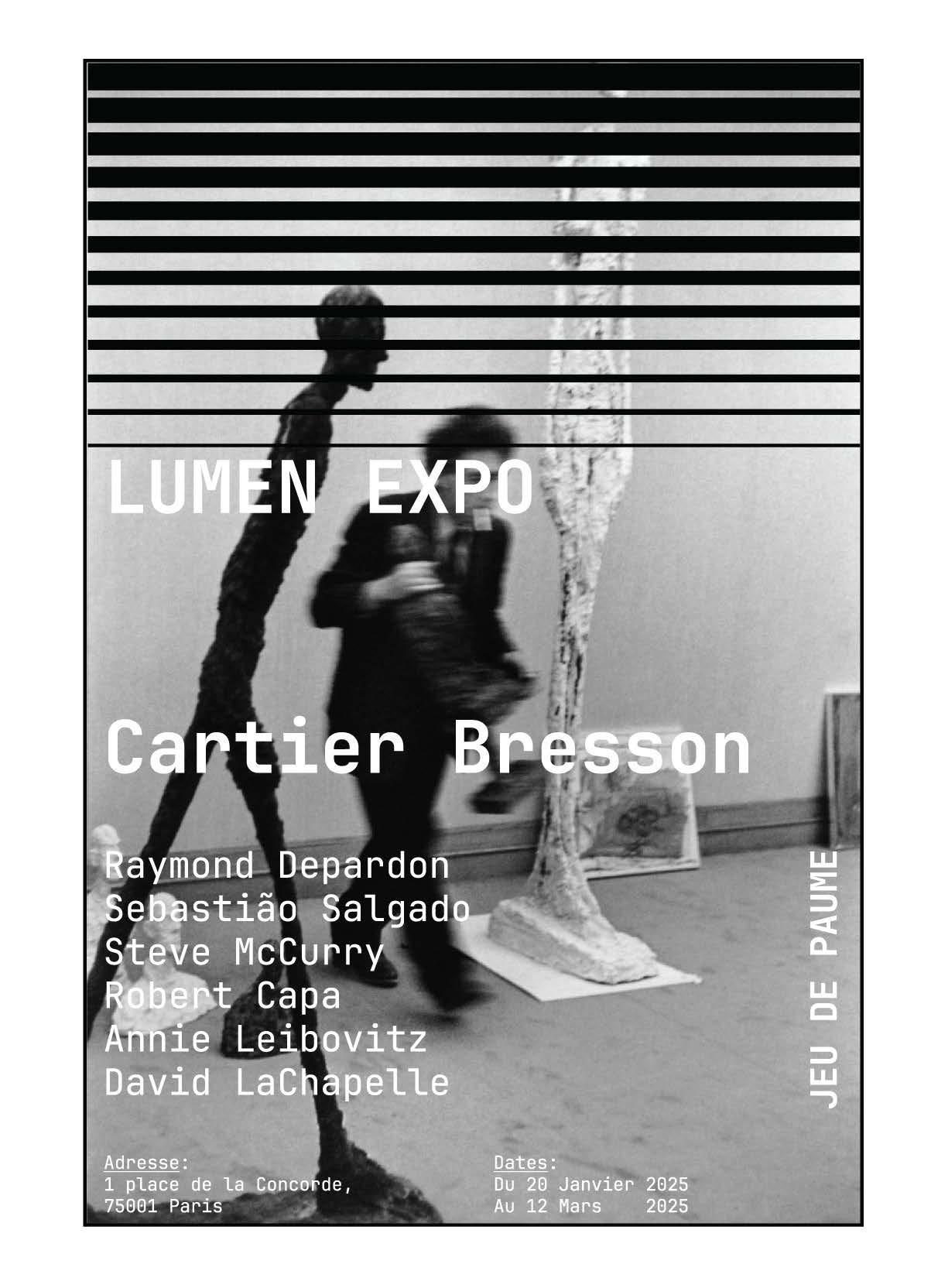
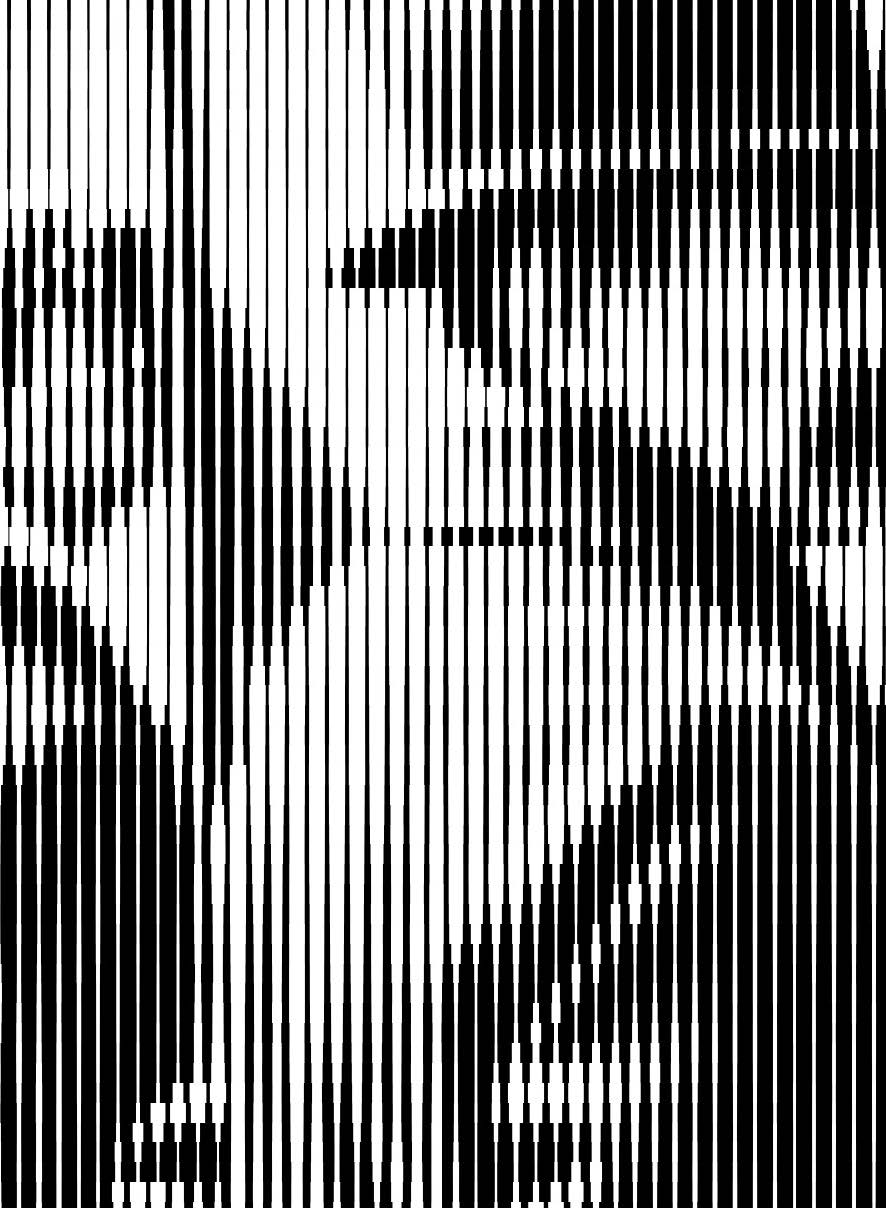
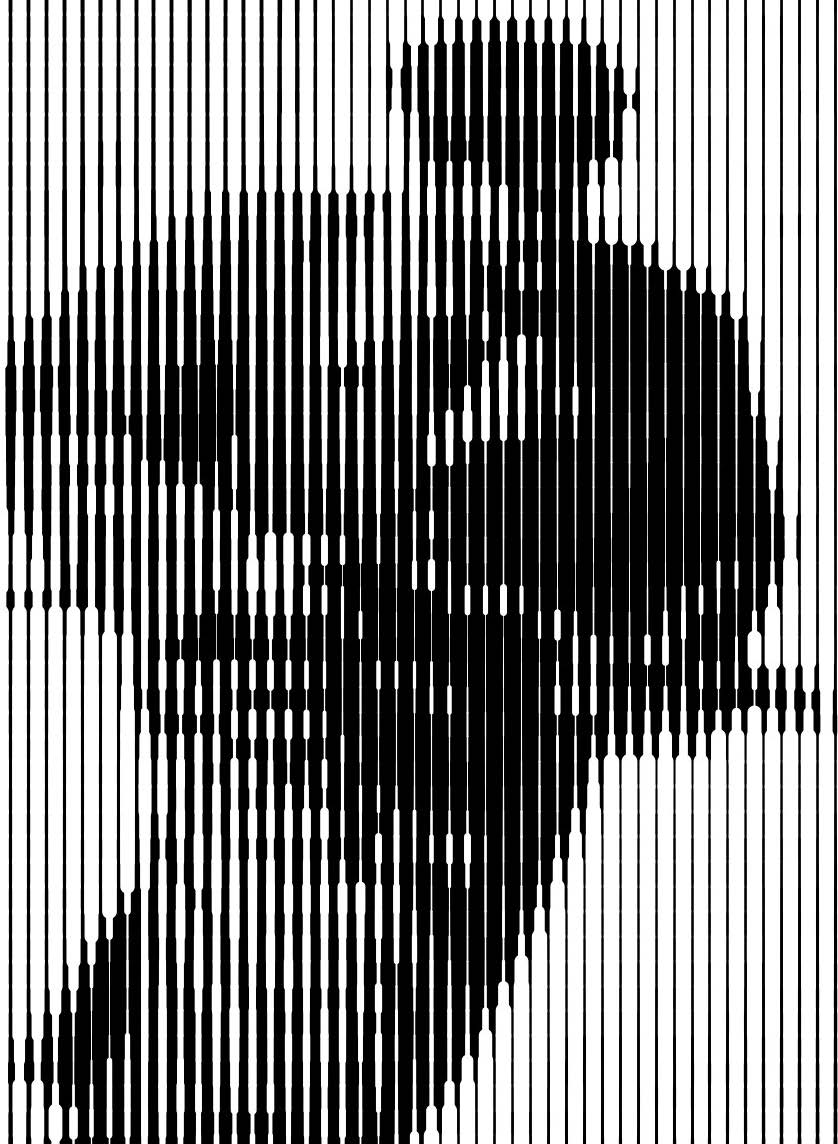
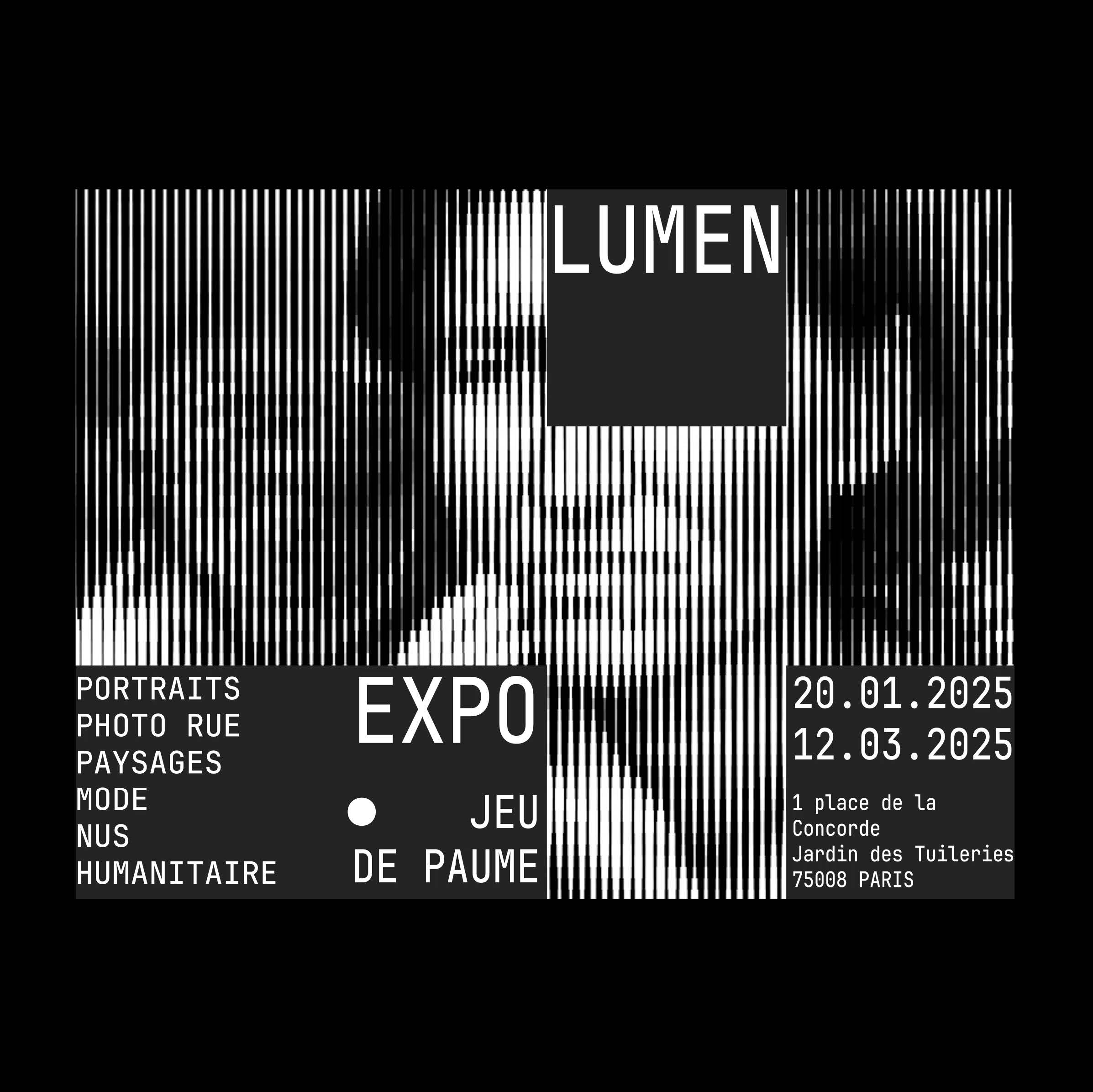
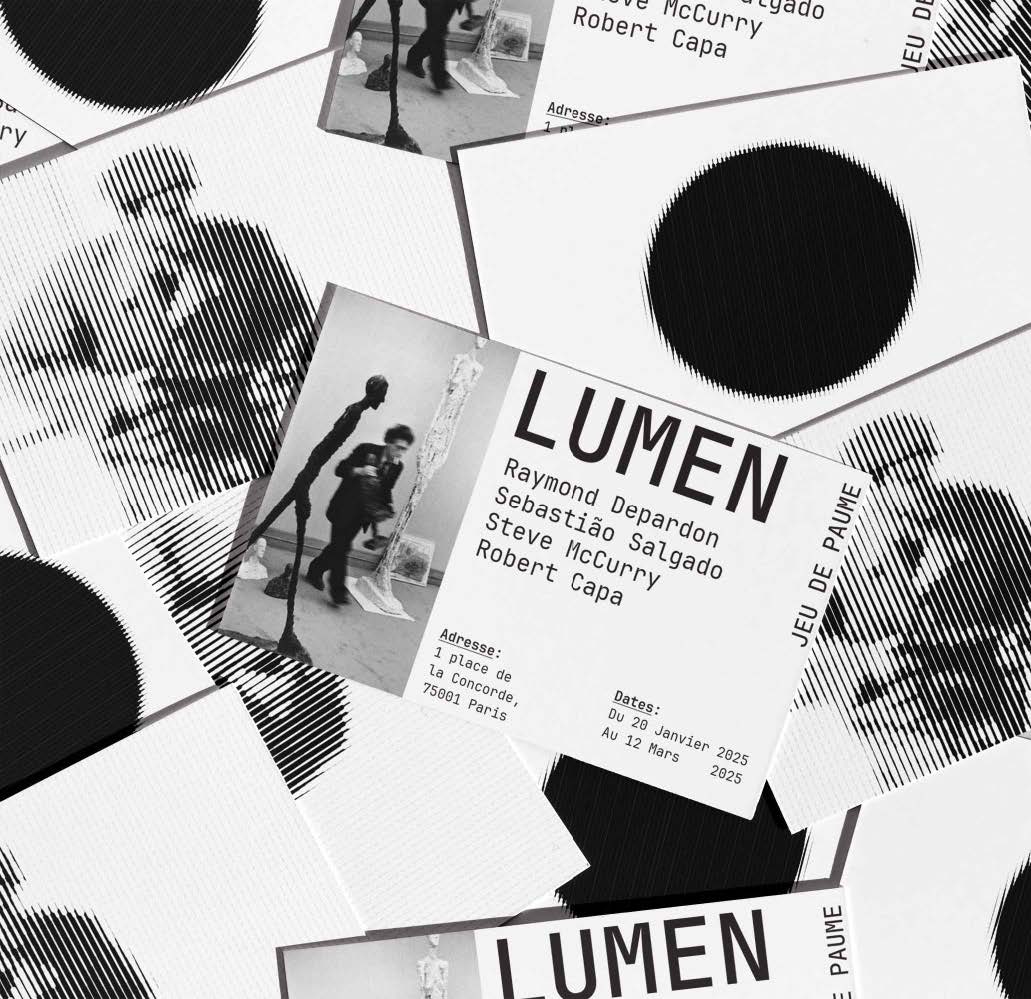
Back to LUMEN, the fictional exhibition at the Jeu de Paume. The scan effect — vertical lines revealing the image — becomes the guiding thread of the whole identity.
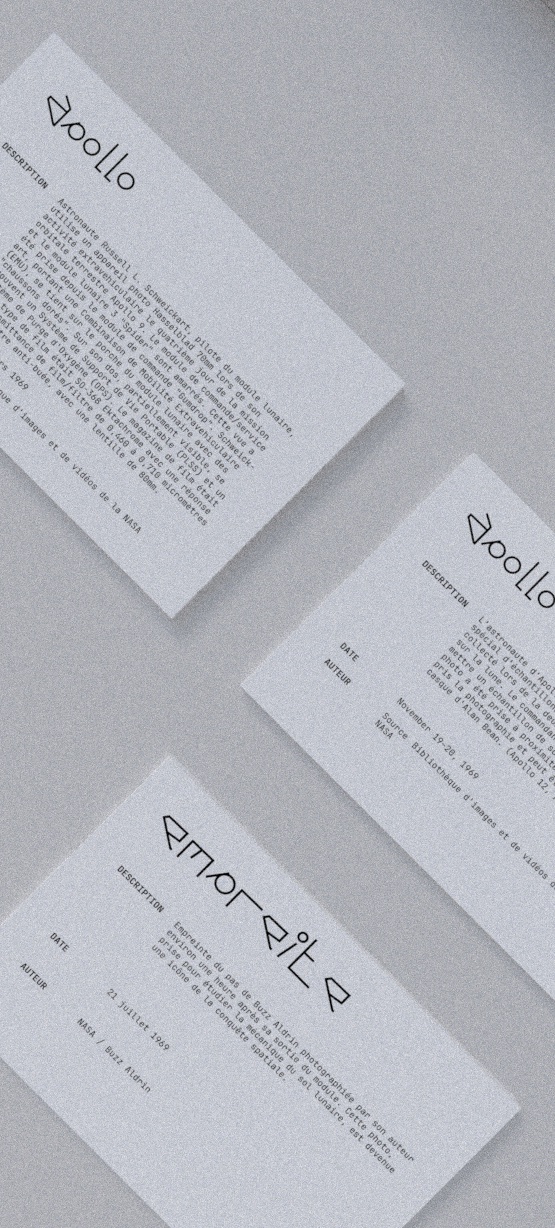
Modular typography

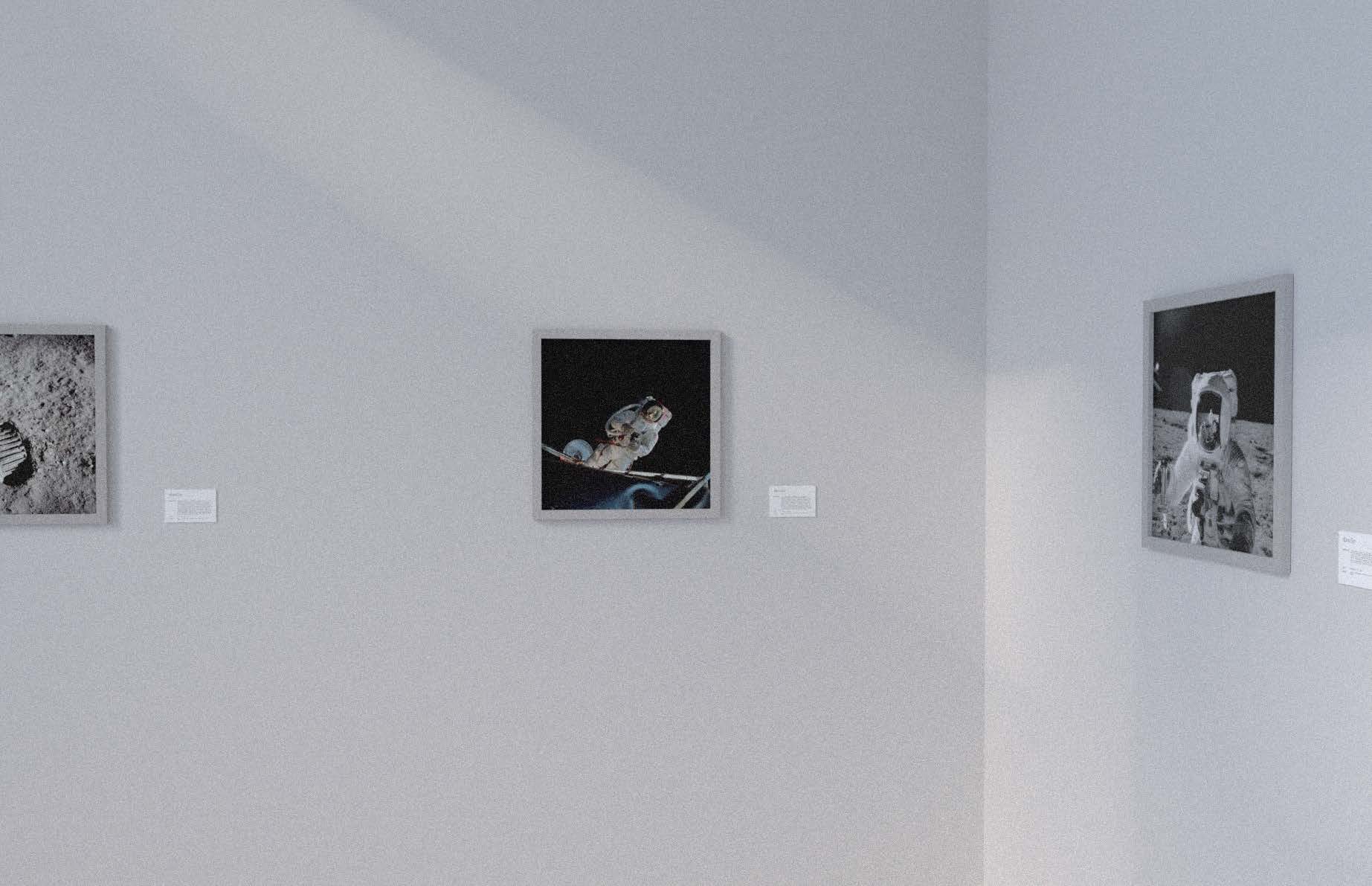
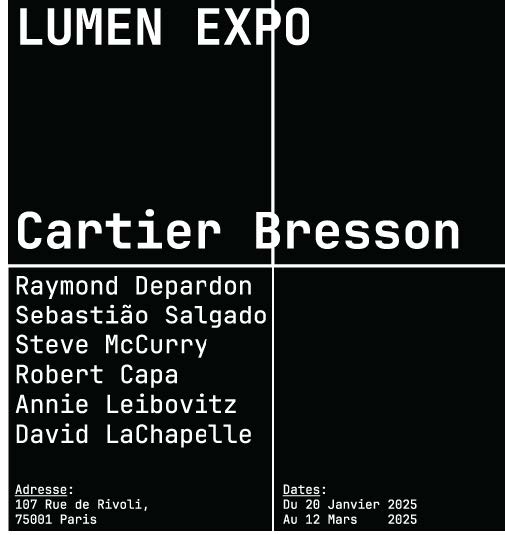
Exhibition labels
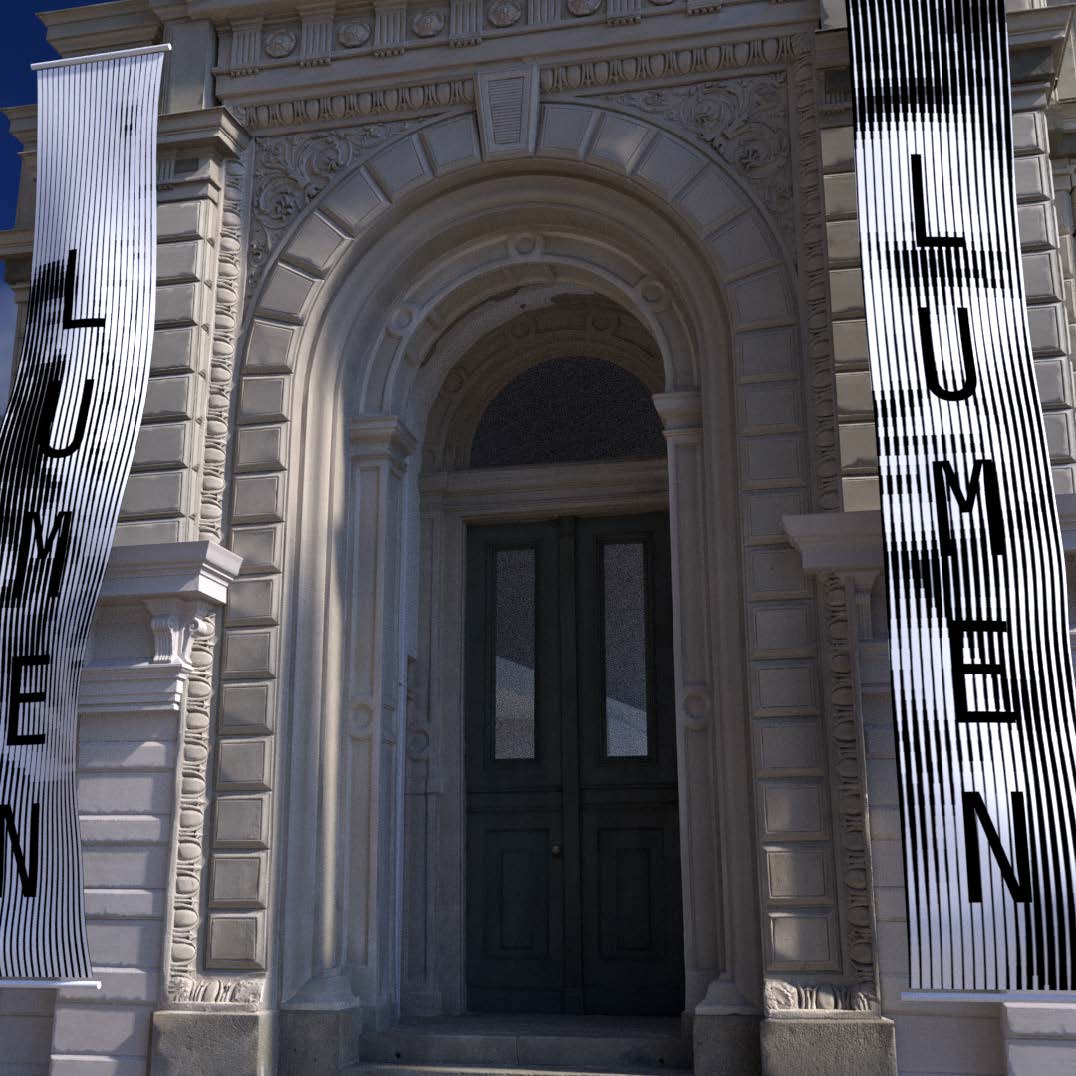
Signage
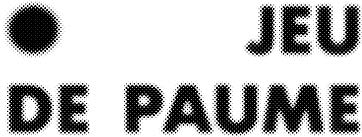
Posters
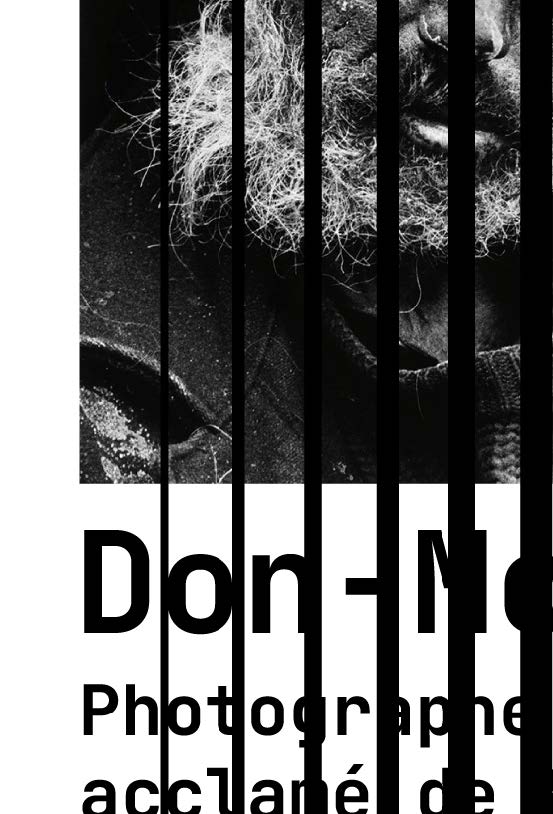
Processing — Scan effect
Final poster
Mockups
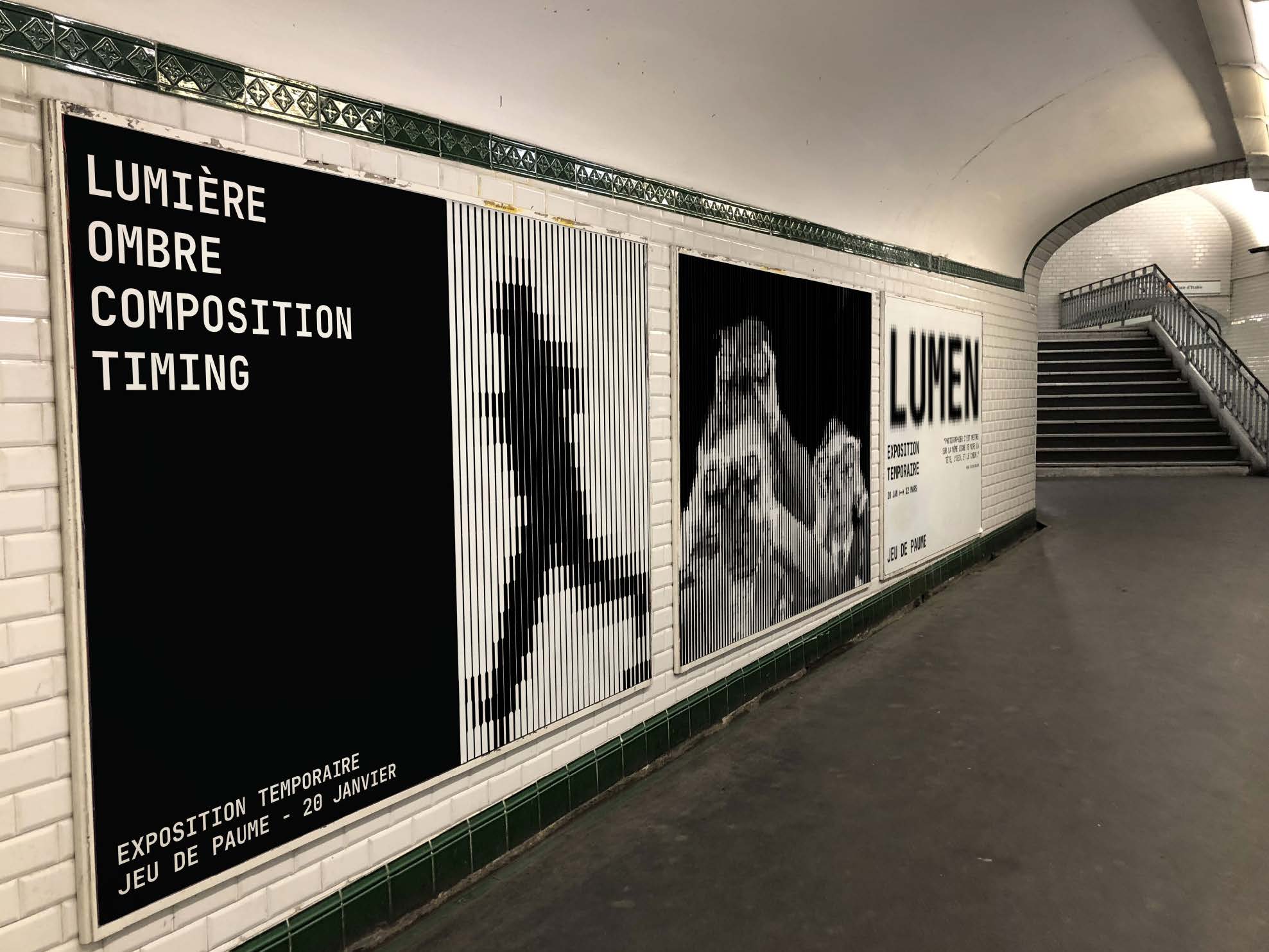
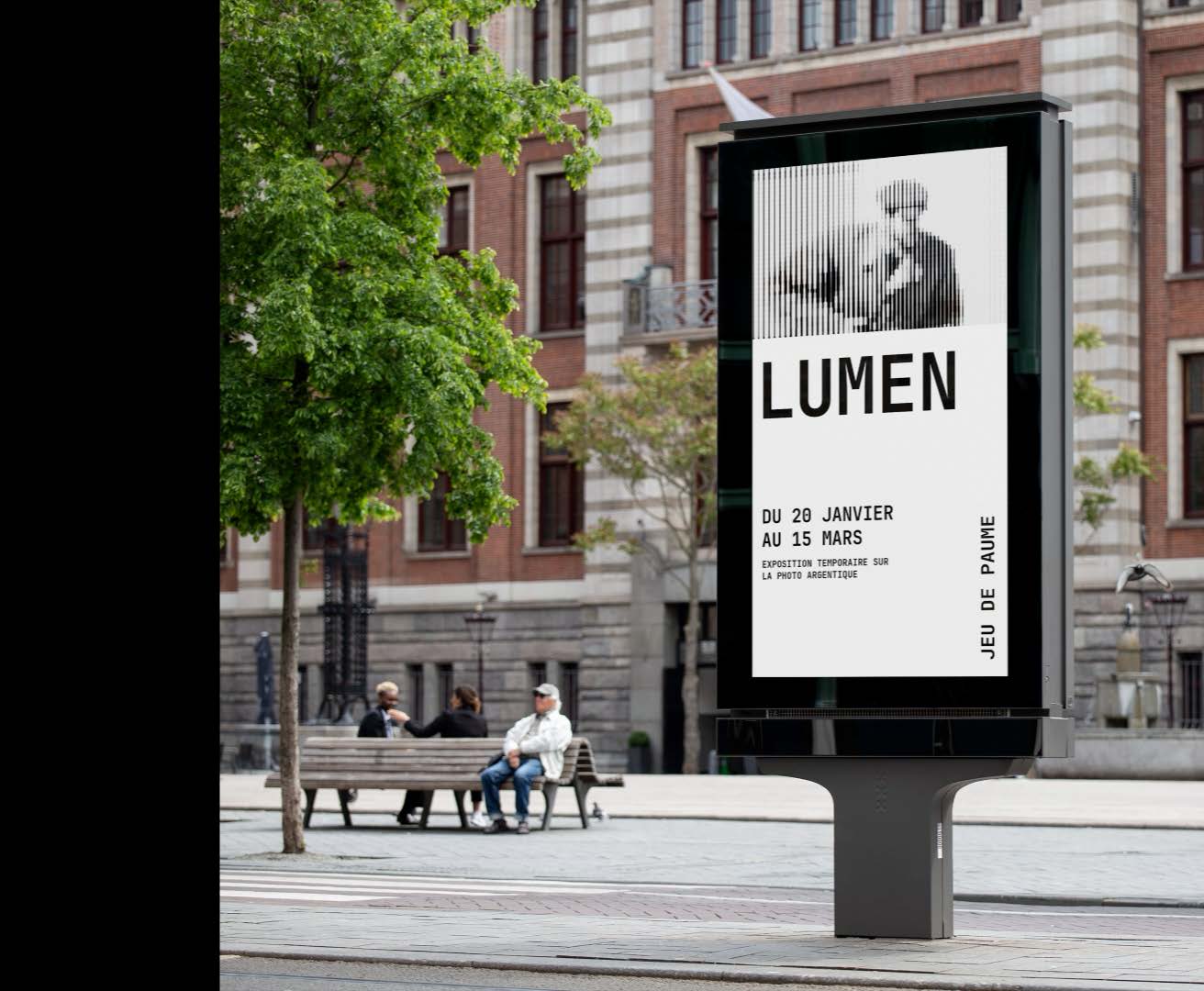
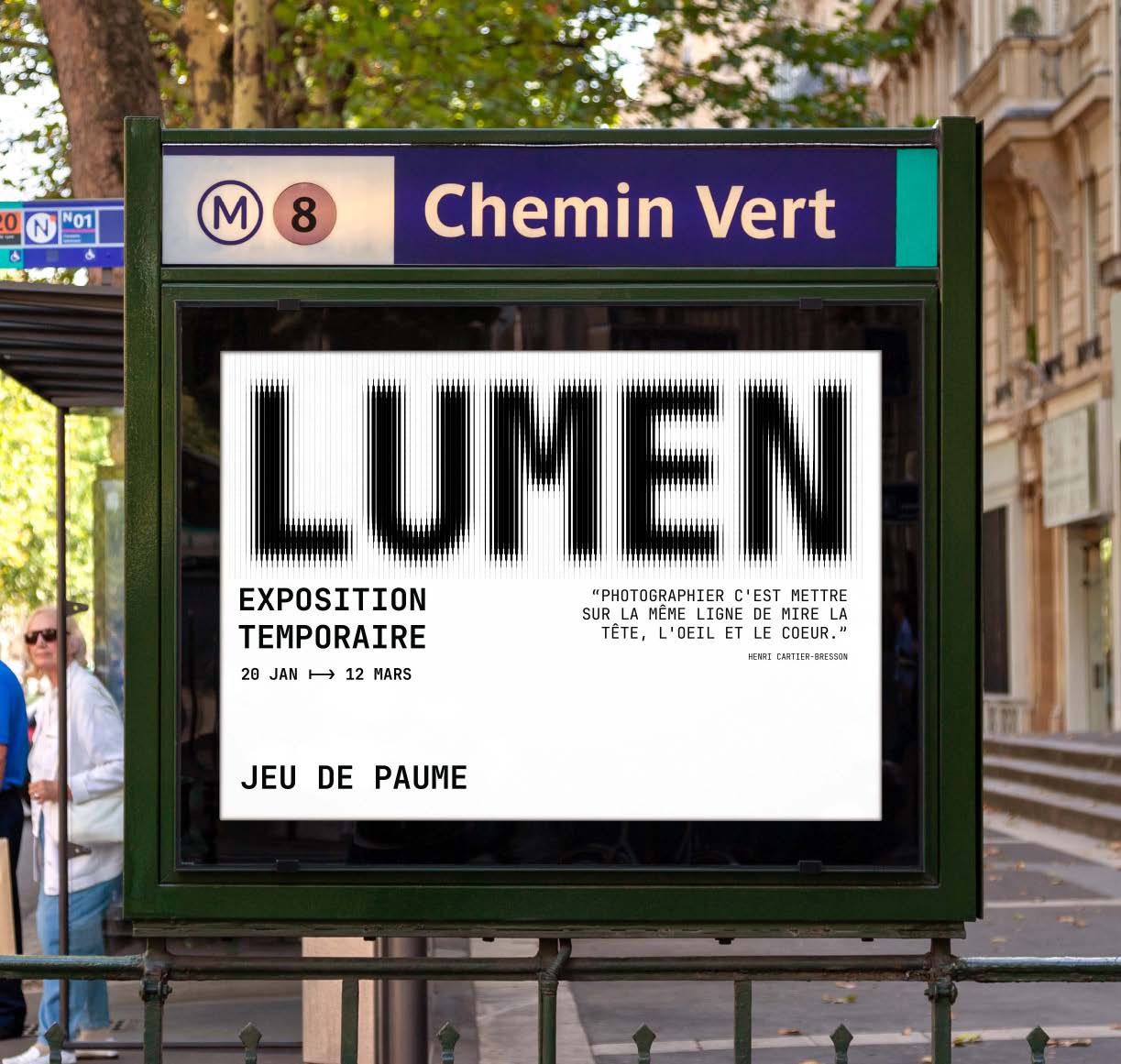
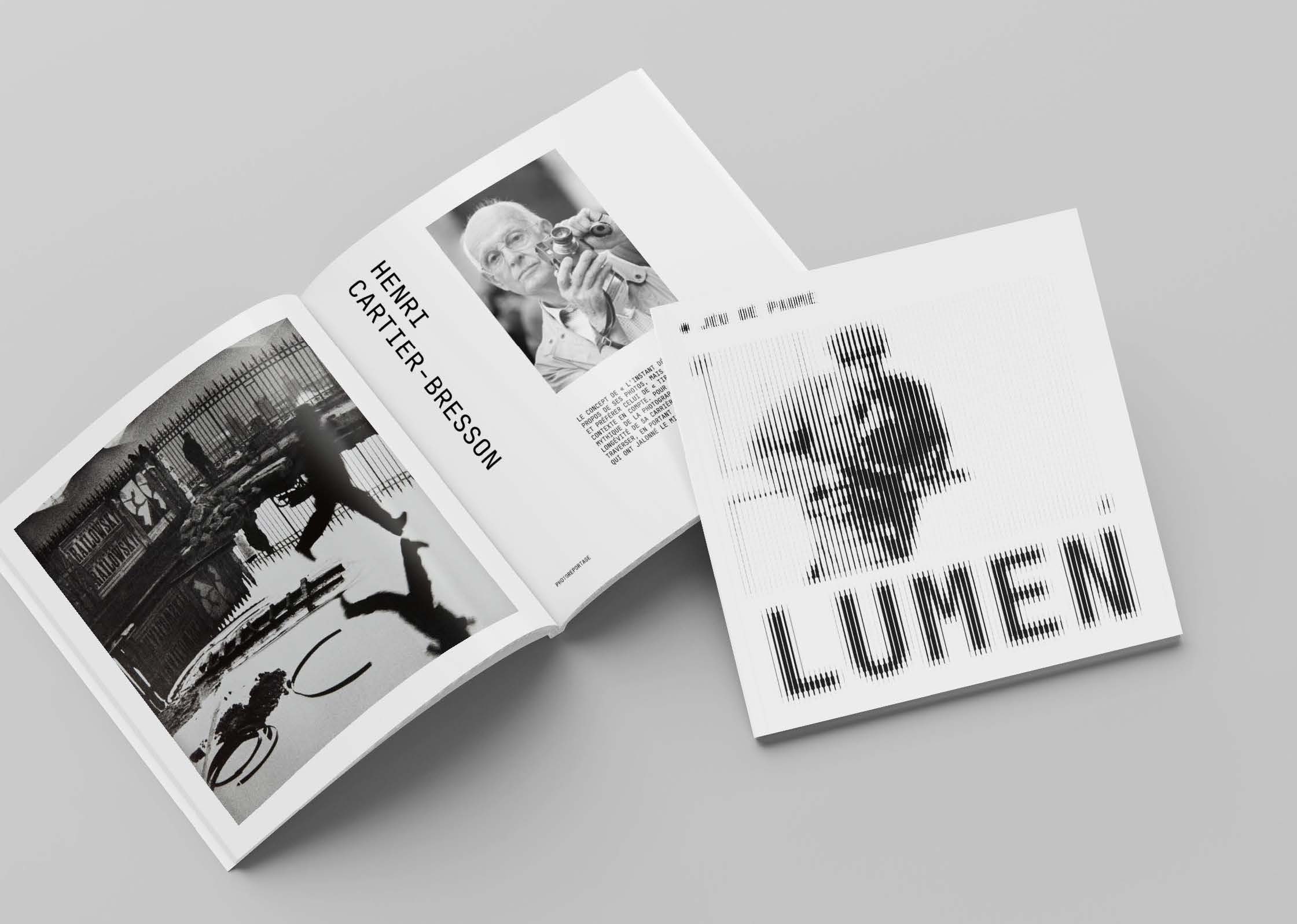
Museum entrance
What I learned
Flexibility is not the opposite of consistency. A system is defined by its rules, not by fixed shapes. The three verbs — ADAPT, MODULATE, EXTRACT — have become a method I still apply today.
This project raises a question that remains open: how do we make these systems accessible to everyone, without losing their richness?
Next project